
Dog breeds that change color as they age.

You dogs that change color as they age They represent a fascinating phenomenon of canine genetics that intrigues many owners when they observe chromatic transformations in their pets' fur.
Advertisements
Unlike the simple appearance of gray hairs, certain breeds possess specific genes that completely alter the color of their coat over the years, from puppyhood to adulthood.
This guide explores the biological mechanisms behind these changes, the races most prone to this process, and how to differentiate natural whitening from possible health conditions.
Summary
- The genetics behind the color change.
- Races that undergo drastic transformations.
- The difference between graying and whitening genes.
- External factors that influence the coat.
- Comparative table of breeds and colors.
- Frequently Asked Questions (FAQ).
What are the genes responsible for dogs changing color as they age?
The change in coat color in canines does not occur by chance, being governed primarily by a genetic component known as Locus G (Progressive Greying).
This gene is primarily responsible for causing puppies born black or dark brown to end their lives with gray, silver, or cream fur.
Advertisements
The depigmentation process occurs gradually, affecting melanin production in the hair follicles as the animal reaches sexual and physical maturity.
Unlike humans, where stress can accelerate the appearance of gray hair, in dogs this transition is a programmed and expected phenotypic trait in specific breeds.
Understanding this biology helps pet owners avoid being alarmed when their puppy's vibrant color begins to fade gently after the first year of life.
Which breeds exhibit the most noticeable changes in their coat?
Some breeds are world-famous for this visual "metamorphosis," with the Bearded Collie being one of the most emblematic examples within the world of professional dog breeding.
Puppies of this breed are born with solid, dark colors, but upon reaching adulthood, they may develop light gray or sand tones that are almost imperceptible initially.
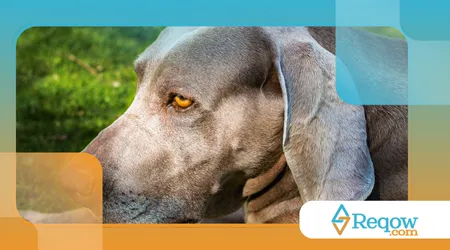
The Poodle is also on the list of dogs that change color as they age, especially in the “blue”, “gray” and “apricot” varieties, which lighten intensely over time.
Another notable example is the Bedlington Terrier, which is born almost black or dark brown and develops a characteristic pearly white coat as it reaches adulthood.
Find out more: Why do dogs tilt their heads when they hear sounds?
Old English Sheepdogs also follow this pattern, exchanging the strong contrast of juvenile black and white for a soft and elegant bluish-grey tone in maturity.
How does the progressive whitening process occur in canines?
The color transition usually begins to manifest between six and twelve months of age, coinciding with the change from puppy fur to adult fur.
At this stage, the concentration of pigment in each hair begins to decrease, resulting in a "smoky" appearance that stabilizes around the age of three.
It is important to emphasize that this change is uniform and affects the entire body, maintaining the texture and health of the animal's skin always intact.
You can find detailed information about the genetics of canine coat colors on reference portals such as... American Kennel Club (AKC), which catalogs these official standards.
Scientists explain that pigment-producing cells simply reduce the intensity of melanin delivery, without this representing any immune failure or nutritional deficiency.
Why do some dogs go gray prematurely on their noses?
Many pet owners confuse the progressive whitening gene with premature graying, which usually only affects the muzzle and around the eyes.
Graying due to age or stress is linked to environmental and emotional factors, affecting the animal's self-esteem and psychological well-being in very hectic environments.
Studies indicate that anxious or impulsive dogs tend to develop white hairs on their faces well before the age of seven, which marks canine seniority.
Read more: How to deal with dogs that become hyperactive when they see other dogs.
Unlike dogs that change color as they age Due to genetics, the common graying does not cause the pet's back, paws, or tail to change color prematurely.
Monitoring these changes helps identify whether your companion is going through a natural breed-specific process or if they need support to reduce anxiety.
Chart of Breeds and Color Evolution
| Race | Color at Birth | Color in Maturity | Probable Cause |
| Bearded Collie | Black or Brown | Ash or Slate | Gene Progressive Greying |
| Bedlington Terrier | Dark Blue or Liver | White Sand | Mutation at the G locus |
| Poodle (Grey) | Solid Black | Silver | Progressive Whitening |
| Kerry Blue Terrier | Jet Black | Grayish Blue | Genetic Dilution |
| Shih Tzu | Intense Colors | Pastel Tones | Pigment Stabilization |
When might a change in skin color indicate a health problem?
Although color variation is normal in many breeds, sudden changes or localized spots may signal vitamin deficiencies, hormonal problems, or persistent fungal infections.
Hypothyroidism, for example, can make the coat dull, brittle, and alter its original pigmentation, requiring rapid laboratory tests for an accurate and reliable veterinary diagnosis.
Excessive sun exposure can also "burn" the tips of dark hairs, giving them a reddish appearance that should not be confused with genetics that cause lightening.
++ How to recognize when a dog is mentally exhausted.
Whenever a change in hair color is accompanied by itching, sores, or excessive hair loss, it is essential to seek professional help to rule out serious skin conditions.
To learn more about canine dermatological health and preventative care, consult the specialized portal. Animal Health, a leading provider of veterinary welfare services in Brazil.

Dogs that change color as they age.
Observe dogs that change color as they age It is a visual journey that demonstrates the complexity of nature and the richness of the hereditary characteristics of each race.
Whether through refined genetic programming or simply the passage of years, these transformations make each individual unique and tell the story of their physical evolution.
As a pet owner, your role is to ensure this transition occurs in a healthy way, providing high-quality nutrition and veterinary care to preserve the coat's shine.
Appreciating these changes means accepting your pet's maturity, understanding that coat color is just a detail compared to loyalty and unconditional love.
Frequently Asked Questions
1. Do all dogs turn white when they get old?
Most dogs develop white hairs on their muzzle due to age, but only a few breeds change the color of their entire body for genetic reasons.
2. Can diet influence coat color?
Yes, diets low in amino acids like tyrosine and phenylalanine can cause fading, but they don't alter the underlying genetics of color-changing breeds.
3. At what age does the color change stabilize?
Generally, the final coat color of dogs with genes for progressive lightening is established between two and three years of age, remaining stable thereafter.
4. Does stress cause a dog to change color faster?
Stress can accelerate the appearance of white hairs (graying) on the muzzle and face, but it does not activate the gene for progressive whitening of the body.
5. Is there any product to prevent a dog from changing color?
There are no products that can prevent genetic color change, as the process occurs from the inside out, at the root of the animal's hair follicle.