
Rabbits don't eat hay: understand the health risk.
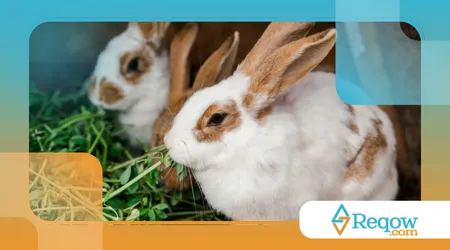
To say that a Rabbits don't eat hay. That's the kind of phrase that makes any specialized veterinarian's heart race.
Advertisements
Far from being just a dietary whim or a preference for pet food, the refusal of this ingredient hides a dangerous domino effect, capable of disrupting the animal's health at an alarming rate.
Table of Contents
- The true importance of hay in rabbits' daily routine.
- The anatomical dangers of the absence of crude fibers.
- How to identify gastrointestinal stasis early.
- Practical strategies to stimulate your pet's appetite.
- Frequently asked questions about lagomorph nutrition.
What happens if the rabbit doesn't eat hay?
Rejecting this food triggers a silent collapse in the animal's health, compromising tooth wear and obstructing intestinal transit.
Without the thorough chewing of long fibers, their teeth—which never stop growing—break through the healthy limit, creating sharp points that tear the cheek and tongue.
The digestive system of lagomorphs functions almost like a hydroelectric power plant: it depends on a constant flow of raw matter to maintain active peristaltic movement.
Advertisements
When this engine stops due to a lack of adequate fuel, the scenario evolves into gastrointestinal stasis, a serious complication that can be fatal in less than a day.
If the Rabbits don't eat hay.The microbiota of the cecum undergoes a disastrous reversal.
Opportunistic bacteria proliferate, producing severe gas and causing colic so intense that the animal is left prostrate, apathetic, and completely unable to seek any other type of food.
Consolidated data by House Rabbit Society They emphasize that hay needs to form the absolute basis of the diet, representing about 80% of everything an adult rabbit consumes daily.
Why is hay vital for the digestive health of lagomorphs?
Unlike dogs and cats, rabbits do not have a stomach that performs efficient digestive movements on its own; they mechanically rely on the intake of new fiber to push out the old.
It is a purely physical and continuous process, where the hay acts as the true engine of the system.
The magic of their digestion happens deep down, in cecal fermentation, where the body extracts essential nutrients to form cecotropes — those softer feces that they re-ingest to absorb vitamins.
Without the fiber from the grass, this mechanism becomes unbalanced, creating an opening for severe cases of malnutrition and toxemia.
++ Dogs eating too fast: risks and solutions
To realize that the Rabbits don't eat hay. This immediately raises an alert that the production and utilization of these cecotropes are compromised, depriving the body of vital immune defenses.
What are the common reasons for hay refusal?
Most of the time, the pet hasn't developed a dislike for the hay; it probably feels pain when chewing it.
Spicules on the molars create wounds invisible to the naked eye, causing the rabbit to ignore dry, hard grass and seek soft alternatives, such as leaves or extruded feed.
The problem can also lie in human handling. Overusing processed treats or leaving the food bowl constantly overflowing satiates the animal too quickly, taking away its interest in what really matters.
There is also the quality factor: old, yellowish grass, grass that doesn't smell like a field or shows signs of mold is rejected immediately.
Read more: What are the 5 rules of animal welfare?
Sudden changes in the household routine, stress from noises, or the arrival of other animals create silent anxiety, causing the... Rabbits don't eat hay. and isolate yourself in the corners.
| Hay Type | Crude Fiber Content | Main Indication |
| Timothy Hay (Grass) | 30% to 34% | Adult Rabbits |
| Coast Cross Hay | 28% to 32% | General Maintenance |
| Alfalfa Hay | 22% to 25% | Puppies and Nursing Animals |
How can I encourage my rabbit to eat hay again?
An effective tactic is to cut back on excess commercial feed and readjust the portions, leaving the animal with the necessary appetite to seek out the grass.
Spreading piles of hay strategically around and inside the litter box usually works very well, as they love to chew on it while doing their business.
It's worth trying different brands and looking for greener, more aromatic cuts to stimulate your pet's sensory interest.
Mixing dried, safe herbs into hay, such as calendula, dandelion, and chamomile, transforms feeding into a much more appealing and stimulating experience.
Using hay toys or stuffing cardboard rolls with hay forces the rabbit to expend physical and mental energy to obtain food.
++ How to teach a cat to accept being held without stress
Even if the approach changes, Rabbits don't eat hay.The next step needs to be the veterinary clinic.
When does a lack of appetite for hay become an emergency?
The clock starts ticking when the animal goes more than twelve hours without producing any feces, or when the pellets begin to come out tiny and dry.
A rabbit that is huddled in a corner, with drooping eyes and refusing to move, is showing signs of acute abdominal distress.
The act of grinding their teeth loudly, dryly, and constantly is a clear cry for help, quite different from the gentle clicking sound they make when they are petted.
Rejecting fresh herbs or a favorite snack indicates that the clinical picture has reached a critical point.
If the visual diagnosis shows that the Rabbits don't eat hay. And his ears are visibly cold, his body temperature has dropped, indicating the onset of heat stroke due to paralysis of the digestive tract.
Conclusion
Understanding that hay is not merely a side dish, but the cornerstone that sustains the biology of these animals, redefines how we care for them.
Monitoring the amount of grass consumed daily remains the best tool for preventing complex surgeries and hospitalizations.
Notice quickly when the Rabbits don't eat hay. It breaks the cycle of progression of dangerous diseases, ensuring that the animal lives without silent pain.
Preventive care and the sensitivity of the owner make all the difference. To delve deeper into technical guidelines for the care and well-being of exotic animals, it is worth checking out the technical materials from [source/organization name]. Federal Council of Veterinary Medicine.
Frequently Asked Questions
Can I substitute hay with fresh grass from the yard?
Fresh grass is a great supplement as long as it's properly cleaned, but it doesn't have the same potential for tooth wear and the same concentration of dry fibers as dehydrated hay.
How long can a rabbit go without eating hay?
The safe limit is no more than 24 hours. Beyond that period, the risk of the intestine stopping completely and triggering severe stasis becomes dangerously high.
Can alfalfa hay be given to adults daily?
It is not recommended. Alfalfa contains high levels of calcium and protein, nutrients that in excess can cause kidney overload, bladder stones, and obesity in adult animals.
How can I tell if the hay I bought is good?
Quality hay should have a vibrant green color, a noticeable aroma of fresh grass, and a firm texture. Discard bales that are too dusty, have overly thick branches, or smell musty.
++ What do rabbits eat and what is their ideal diet?
++ Can baby rabbits eat grass? Discover this interesting fact!