
Rabbit standing still in a corner: important warning signs.
See one rabbit standing in the corner A bird dropping off in the cage or room immediately triggers a red alert for any attentive pet owner.
Advertisements
This behavior usually indicates chronic physical discomfort or severe acute pain.
Like prey in nature, these animals mask their symptoms as much as possible to avoid hungry predators.
When they show obvious apathy, the pet's clinical condition is likely already quite advanced.
Learning to decipher your pet's body language saves lives every day.
Advertisements
Let's explore the main medical and behavioral reasons behind this sudden and highly concerning isolation.
To make it easier for you to read, we have prepared a practical guide covering the most vital topics on the subject.
Check out exactly what will be detailed throughout this article specializing in animal health.
- Understand the main serious medical causes that lead your pet to suddenly hide and refuse any kind of social interaction with the family.
- Learn to easily distinguish between normal, relaxed rest and a tense body posture that indicates intense abdominal pain or quite dangerous respiratory problems.
- Discover the best emergency rapid action protocols and learn how to identify the exact moment to seek specialized veterinary care for wild or exotic animals.
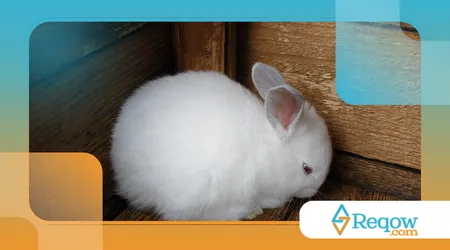
Why is my pet isolated?
One rabbit standing in the corner Having half-open eyes often signals a very serious gastrointestinal problem.
Gastric stasis is the most common veterinary emergency in exotic animal clinics today.
During this dangerous condition, the pet's digestive system slows down drastically or stops functioning completely.
Excessive gas buildup causes unbearable abdominal pain, forcing the animal into complete isolation.
Another common clinical possibility involves silent dental problems, such as overgrowth of the roots of molar teeth.
This painful condition prevents proper feeding and causes severe inflammation in the animal's jaw.
How to identify the hidden signs of pain?
Assessing your furry friend's facial expressions greatly helps in the early diagnosis of several complicated diseases.
The Rabbit Pain Scale focuses heavily on assessing the shape of the eyes and snout.
Animals in distress constantly squint, lower their ears to their backs, and tense their cheeks.
The body adopts a forward-curved posture, attempting to relieve the painful pressure in the ailing stomach.
Noticing the absence of feces in the cage for more than twelve hours requires prompt veterinary action.
The complete cessation of fecal production confirms that the lagomorph's intestinal transit has stopped completely.
Consulting reliable resources helps a lot. You can access the Brazilian Association for the Care of Wild Animals' welfare guidelines to deepen your technical knowledge about highly appropriate prophylactic environmental management.

Comparative Table: Healthy Rest vs. Isolation due to Illness
We created a handy visual chart to make it easier to quickly differentiate between naturally relaxed behavior and an emergency situation.
++ Rabbits don't eat hay: understand the health risk.
Use this information to monitor your pet daily with complete medical safety.
| Feature Evaluated | Natural and Healthy Rest | Isolation due to Illness or Pain |
| Body Posture | Lying on your side or with your legs stretched out behind you. | Hunched position, abdomen pressed against the hard floor. |
| Breathing | Slow, silent, and with gentle abdominal movements. | Accelerated, shallow, or accompanied by small, abnormal noises. |
| Response to Snacks | He gets up quickly and shows immediate, high interest. | He completely ignores food, even though it's his favorite. |
| Ears | Relaxed, leaning gently, or moving slowly. | Pressed firmly against the neck in a rigid manner. |
First steps after noticing your rabbit standing in the corner
Never force a sick animal to eat or drink water using syringes without professional medical guidance.
Inserting liquids into a completely blocked stomach can cause fatal rupture of the small internal organ.
Keep the environment extremely calm, turn off noisy appliances, and reduce direct lighting on the enclosure.
Read more: When apathy is more than just tiredness.
Offer safe heat sources, such as hot water bottles wrapped in thick, soft towels.
Prevention: How to keep your digestive system functioning properly
A daily diet rich in high-quality crude fiber solves a large part of health problems. Hay should make up eighty percent of your pet's entire routine diet.
Pelleted feed serves only as a secondary nutritional supplement and should be offered in small, carefully measured quantities.
Excess carbohydrates disrupt the beneficial gut flora, leading to toxic and quite painful gas.
Fresh, clean water served in weighted bowls encourages consistent hydration much more effectively than conventional water fountains.
Keeping the digestive tract perfectly hydrated prevents acute impaction of ingested feces and hair.
What to do during the early morning hours or on weekends?
Many pet owners find their beloved animal debilitated at times when traditional veterinary clinics are sadly closed.
Having quick access to a veterinary hospital operating 24 hours a day saves lives.
Prepare an emergency kit containing clean syringes, recovery food specifically for herbivores, and soft gauze pads.
++ Hamster avoiding contact: ways to gain trust
Carefully follow your veterinarian's instructions on how to administer medications focused on quick relief.
Conclusion about the signs
Find your rabbit standing in the corner It requires careful observation, quick action, and a solid foundation of basic clinical knowledge.
This classic symptom of heightened alertness should never be dismissed as a simple lazy phase.
Protecting your little companion's health ensures many years of harmonious coexistence free from chronic suffering.
Be vigilant for subtle signs, provide appropriate nutritional management, and prioritize preventative medical care.
Consulting official scientific data always provides enormous reassurance for pet owners concerned about unforeseen emergencies.
Read the recommendations from House Rabbit Society Veterinary Medicine Manual to expand your understanding of home-based therapies.
Frequently Asked Questions
My pet is quite quiet, but continues to accept fresh mint leaves sporadically throughout the day.
Should I be seriously concerned about this level of inactivity during daylight hours?
Yes, the level of clinical alert remains extremely high.
Herbivorous rabbits may continue to peck at leaves even when experiencing intense pain, desperately trying to keep the fragile flora of the intestinal cecum in constant functional mechanical motion.
Does a sudden and prolonged episode involving a rabbit standing still in a corner necessarily indicate an imminent risk of death for the small herbivorous pet kept domestically in a safely enclosed space?
It doesn't always mean immediate, imminent death, but it undeniably constitutes a real and quite worrying medical emergency.
Drug intervention administered within the first eight hours increases the rate of complete recovery to eighty percent.
Can I administer liquid human medications, such as common children's pain relievers, directly at home to try and quickly alleviate the apparent severe pain and sudden isolation of my small herbivorous mammal?
Completely avoid self-medicating exotic animals without a prior prescription.
The misuse of human drugs masks vital primary symptoms and can cause irreversible and extremely lethal kidney or liver damage.
++ The Subtle Signs That Your Rabbit Is Sick and Needs Urgent Help