
Cockatiel molting: care during natural molting
Ver uma calopsita trocando penas assusta muitos tutores iniciantes durante os primeiros meses de convivência com a ave.
Advertisements
É um processo natural que exige bastante atenção e cuidados específicos.
A muda consome muita energia do organismo do pássaro, deixando-o vulnerável a doenças e estresse ambiental.
Você precisa adaptar a rotina da casa para garantir o bem-estar do seu pet.
Compreender as necessidades fisiológicas da ave durante esta fase crítica evita complicações severas na plumagem.
Advertisements
Vamos explorar as melhores práticas de manejo para atravessar esse período com total segurança.
O que você vai aprender neste guia:
- O funcionamento biológico da troca de plumagem
- Sinais de alerta para problemas de saúde
- Nutrição adequada e suplementação segura
- Ajustes necessários no ambiente da ave
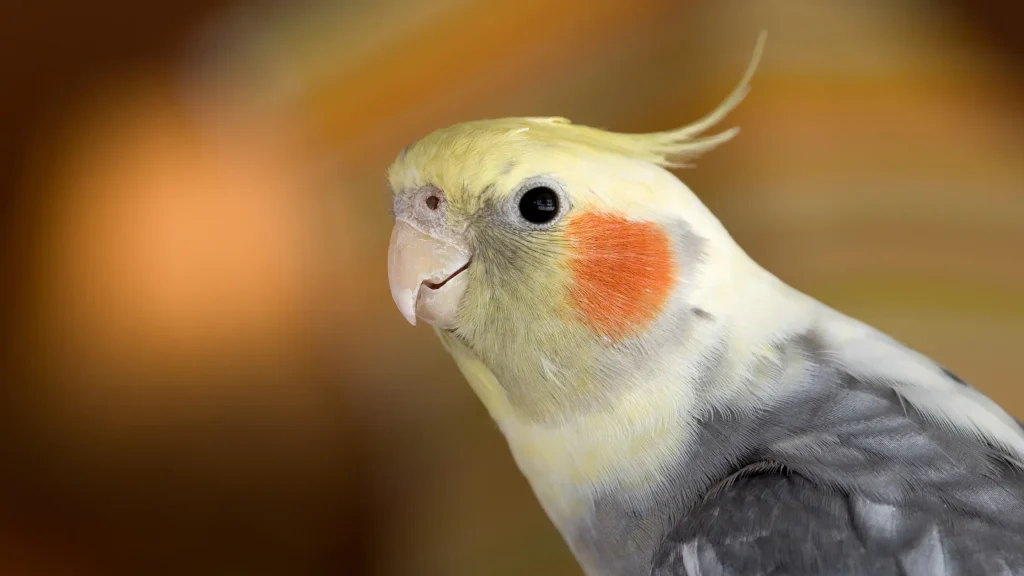
Como funciona a muda de penas nas calopsitas?
A troca de plumagem ocorre anualmente para substituir penas velhas e danificadas por novas e saudáveis.
O relógio biológico da ave reage principalmente às mudanças de temperatura e luminosidade.
Esse ciclo biológico dura entre quatro e oito semanas, dependendo das condições climáticas e nutricionais do ambiente.
Notar uma calopsita trocando penas gradativamente indica que o sistema imunológico funciona perfeitamente.
Penas caem de forma simétrica para não prejudicar a capacidade de voo ou o equilíbrio térmico.
O corpo substitui as plumas primárias e secundárias seguindo uma ordem genética muito rigorosa.
Principais sinais clínicos de uma troca saudável
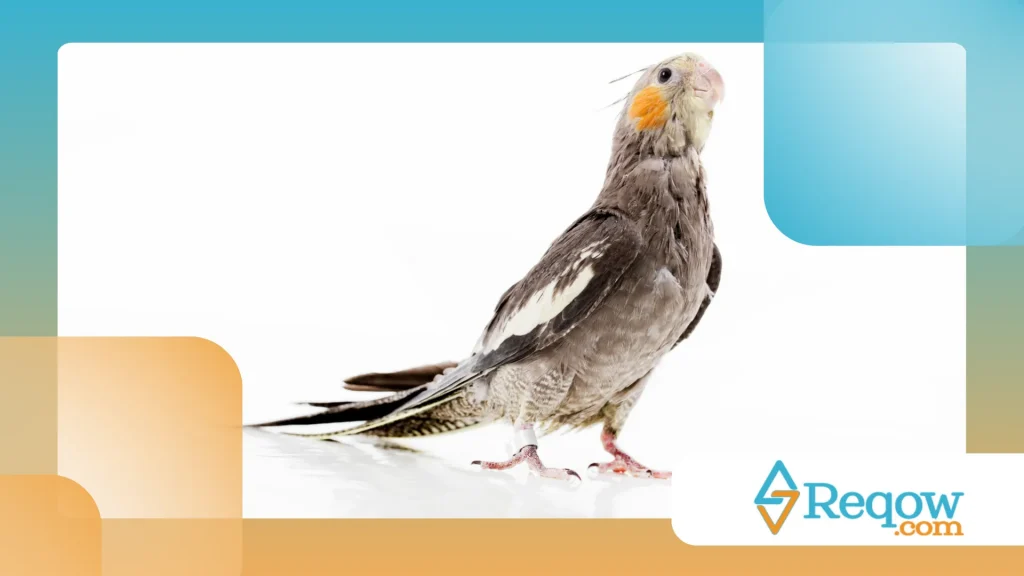
Você observará pequenos canhões brancos surgindo na pele da ave, especialmente na região da cabeça.
Essas estruturas tubulares contêm as novas penas em desenvolvimento e são extremamente sensíveis ao toque.
O comportamento do pássaro muda bastante, apresentando maior sonolência e necessidade de descanso ao longo do dia.
++ Dog with dry paws: care to prevent cracking
A ave passará horas limpando a plumagem para romper os canhões queratinizados mais envelhecidos.
Qual a diferença entre a muda natural e doenças de pele?
Muitos tutores confundem a renovação fisiológica com infecções parasitárias ou falhas no manejo ambiental da gaiola.
Conhecer a diferença protege o animal contra tratamentos caseiros ineficazes e perigosos para ele.
Áreas totalmente sem penas indicam problemas graves de saúde, como ácaros, fungos ou estresse psicológico extremo.
A muda verdadeira jamais deixa a pele da ave completamente exposta ao ambiente externo.
O arrancamento provocado por estresse gera lesões visíveis e sangramentos constantes na epiderme.
Nesses casos, buscar ajuda clínica através das diretrizes da Associação Brasileira de Veterinários de Animais Selvagens (ABRAVAS) torna-se urgente.
Por que investir na nutrição reforçada durante este período?
O crescimento de nova plumagem exige níveis altíssimos de proteína, vitaminas e minerais no organismo.
As penas consistem quase inteiramente de queratina, demandando aminoácidos essenciais obtidos exclusivamente pela dieta diária.
Misturas comuns de sementes falham em fornecer os nutrientes necessários para formar uma plumagem brilhante.
One calopsita trocando penas precisa consumir ração extrusada de alta qualidade para suprir essas carências.
Oferecer alimentos frescos acelera o processo metabólico de recuperação e diminui o cansaço do animal.
Read more: Cat refusing fresh water: tips to encourage consumption
Vegetais verde-escuros e ovo cozido fornecem o suporte vitamínico ideal para esta fase tão desgastante.
| Alimento Estratégico | Benefício Principal na Muda | Frequência Recomendada na Dieta |
| Extruded Pet Food | Base proteica e vitamínica completa | Fornecimento diário com livre acesso |
| Ovo Cozido | Fonte direta de aminoácidos e biotina | Oferta moderada duas vezes semanais |
| Brócolis e Couve | Suporte vegetal rico em cálcio natural | Inserção fresca três vezes semanais |
| Osso de Siba | Reposição mineral imediata e altamente segura | Disponibilidade contínua dentro da gaiola |
Hidratação e umidade do ambiente
Banhos regulares ajudam a amolecer as bainhas de queratina que envolvem as novas penas nascentes.
Você pode usar um borrifador com água morna caso a ave recuse a banheira convencional.
A umidade ambiental adequada previne o ressecamento da pele e alivia a coceira naturalmente intensa.
++ Cat breathing rapidly: when to worry
Manter bacias de água próximas à gaiola melhora a qualidade do ar nos dias secos.
Como manejar o pássaro corretamente?
Evite manipular o pássaro excessivamente enquanto os canhões das penas estiverem crescendo por todo o corpo.
Essas estruturas possuem extensa vascularização sanguínea e causam dor intensa se forem apertadas acidentalmente.
Garanta horas extras de sono escurecendo o cômodo ou cobrindo a gaiola com tecido respirável.
O repouso ininterrupto otimiza o metabolismo basal e favorece o surgimento de plumas mais resistentes.
Limpe o viveiro diariamente para remover as caspas brancas e a plumagem velha do fundo.
Essa higiene rigorosa impede a proliferação de bactérias e fungos perigosos para o trato respiratório.
O perigo silencioso dos ácaros de pena: Calopsita trocando penas
Parasitas microscópicos aproveitam a queda da imunidade para se instalarem nos folículos capilares das aves.
Inspecione regularmente as asas e o peito buscando manchas escuras ou falhas na linha biológica.
Jamais aplique inseticidas domésticos ou remédios sem prescrição veterinária sobre o corpo do seu animal.
O contato direto com substâncias químicas erradas provoca intoxicações severas e frequentemente fatais em psitacídeos.
Principais erros que prejudicam a troca de penas
Alterar a localização da gaiola gera ansiedade severa e interrompe o ciclo natural de renovação.
Mantenha o pássaro no seu ambiente de costume para transmitir segurança emocional durante o processo.
Fornecer semente de girassol excessivamente causa sobrecarga hepática e prejudica a absorção de nutrientes vitais.
Esta semente oleaginosa atrapalha a formação estrutural das penas e retarda o encerramento da muda.
Outro erro grave envolve o corte incorreto das asas enquanto os canhões estão cheios de sangue.
Seccioná-los acidentalmente causa hemorragias abundantes que exigem intervenção clínica veterinária com a máxima e total urgência.
O impacto negativo da luz artificial
Lâmpadas ligadas até tarde da noite confundem o fotoperíodo biológico e desregulam os hormônios do pássaro.
One calopsita trocando penas necessita de doze horas ininterruptas de escuridão para descansar e recuperar-se.
A ausência completa de luz solar direta também atrasa o desenvolvimento fisiológico da nova plumagem.
Os raios ultravioletas promovem a síntese da vitamina D, fundamental para a plena absorção do cálcio.
Posicione a gaiola perto de janelas abertas durante as primeiras horas da manhã diariamente sempre.
Cuidado extremo com correntes de vento frio que causam problemas respiratórios agudos em aves já debilitadas.
Conclusion
Compreender o metabolismo aviário transforma um período assustador numa fase tranquila de renovação e crescimento.
A paciência e a observação minuciosa formam a base para garantir a longevidade do pássaro.
Adapte o manejo ambiental e invista pesado em ingredientes frescos e rações de altíssima qualidade.
O investimento em cuidados adequados reflete diretamente na beleza estonteante da nova plumagem do animal.
Frequently Asked Questions
Quanto tempo dura a muda de penas?
O processo fisiológico completo dura aproximadamente de quatro a oito semanas na maioria das aves.
Fatores nutricionais e climáticos influenciam bastante na velocidade de renovação total da plumagem do animal.
A ave sente dor quando as penas crescem?
As penas maduras não possuem sensibilidade, mas os novos canhões em crescimento causam incômodo constante.
Toques bruscos nestas estruturas vascularizadas geram dor aguda, exigindo muita delicadeza ao interagir com ela.
Posso cortar as unhas durante a muda?
Evite procedimentos estéticos estressantes enquanto o pássaro estiver focado em regenerar a sua plumagem natural.
THE Federal Council of Veterinary Medicine (CFMV) orienta adiar contenções físicas não emergenciais nestas fases complexas.
É normal o pássaro ficar agressivo nessa fase?
A irritabilidade aumenta consideravelmente devido ao cansaço corporal crônico e ao desconforto tátil na pele.
Respeite o espaço do animal e diminua as tentativas de carinho até o ciclo terminar.
++ Os cuidados necessários durante a troca de penas das aves