
How to properly care for fish in a small aquarium.
If you want to learn how caring for fish in a small aquariumUnderstanding water biology and choosing the right species are fundamental steps to success.
Advertisements
Maintaining a healthy, compact ecosystem requires much more than just feeding it daily. Smaller environments accumulate toxins quickly.
This requires constant monitoring, efficient filtration, and rigorous maintenance routines to ensure animal welfare.
There's a common misconception here: thinking that the reduced size saves effort, when it's exactly the opposite.
In this comprehensive guide, you will discover practical strategies for stabilizing water parameters. We will cover everything from selecting suitable species to choosing the best equipment on the market.
Advertisements
Article Summary
- What defines a healthy compact aquarium?
- What are the best species for these environments?
- How to maintain good water quality?
- Guide to parameters and weekly maintenance
- Frequently Asked Questions (FAQ)
What is a small aquarium and what are its challenges?
Many beginners believe that smaller volumes of water require less technical work. In reality, the lack of space accelerates the concentration of hazardous compounds, creating an invisible trap.
The ammonia generated by fish feces and leftover food can reach lethal levels in just a few hours. Therefore, chemical stability becomes the biggest challenge for the aquarist.
Any variation in temperature or pH immediately impacts the fish. A larger volume of water would act as a buffer against these abrupt environmental changes, something you don't have here.
What types of fish can live in these restricted environments?
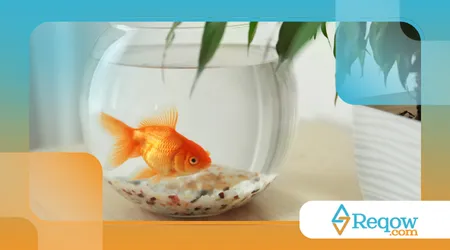
Forget the famous image of the goldfish living in a glass bowl. This species grows too large and produces excessive waste for confined spaces, making it a poor choice for this setting.
For smaller enclosures, goldfish are completely unsuitable. They require heavy filtration and large volumes of water to swim freely.
Species such as the classic Betta fish (Betta splendensThey adapt well, provided the enclosure has constant heating and filtration with a gentle flow of water.
Another excellent alternative are microfish, such as the Neon Tetra (Paracheirodon innesiThey have vibrant colors and require less space than larger species.
++ Can I give my dog rice with ground beef?
The Guppies (Poecilia reticulataThey also figure as great options for dedicated beginners. They are quite durable, colorful, and actively interact with the external environment.
How to properly assemble and equip the ecosystem?
To caring for fish in a small aquarium With complete safety, efficient mechanical, chemical, and biological filtration is an absolutely indispensable item.
Filters of the type Hang-On (Hanging) lights are perfect for these complex scenarios. They save precious interior space and promote excellent oxygenation at the water's surface.
Using a thermostat with an integrated heater prevents dangerous thermal shocks. Tropical fish suffer from low immunity when exposed to abrupt temperature changes.
LED lighting helps control stress in animals. Remember to keep the lights on for a maximum of eight hours a day.
Find out more: How to properly clean a hamster cage daily.
Adding easy-to-grow natural plants, such as Dwarf Anubias, helps consume nitrates. They compete with algae and enhance the visual appeal.
How to perform water maintenance without making mistakes?
Partial water changes, known by the acronym TPA, sustain life in the system. You should perform this procedure weekly and in a controlled manner, without negligence.
Replacing between 20% and 30% of the total volume is usually ideal. Never remove all the water, as this would destroy the beneficial bacteria colonies in the filter.
Always use a modern water conditioner to remove chlorine and heavy metals. Untreated tap water burns the gills of fish.
The use of colorimetric tests helps monitor invisible chemical parameters. Constant monitoring prevents toxicity spikes before they lead to fatal illnesses.
To understand the scientific basis of aquatic biology, consult the detailed guidelines of... Brazilian Association of Aquarists (ABAL)which promotes sustainable practices.
Guide to Parameters and Care Routine: Caring for fish in a small aquarium
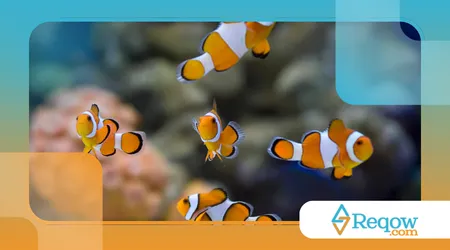
The table below presents the ideal metrics and mandatory procedures for the proper management of compact freshwater ecosystems.
| Parameter / Action | Ideal Value / Frequency | Importance to the System |
| Temperature | 24°C to 28°C | It keeps the fish's metabolism stable. |
| Water pH | 6.8 to 7.2 (Neutral) | It avoids extreme toxicity from free ammonia. |
| Total Ammonia | 0.00 ppm (Zero) | A highly toxic compound for the system. |
| Water Change (TPA) | Weekly (20% to 30%) | Removes excess accumulated nitrates. |
| Filter Cleaning | Monthly (with aquarium water) | It preserves colonies of beneficial bacteria. |
Why does nutrition require extra attention?
Excess food is the main cause of death in confined environments. Leftover food rots quickly at the bottom of the sandy substrate.
Offer only the amount that the fish can consume entirely in two minutes. Any spilled grains should be removed immediately with a fine net.
Choose high-quality extruded pet food from reputable brands in the national market. Premium foods generate less waste and strengthen the animals' natural defenses.
Varying the diet with freeze-dried foods improves the digestive tract. Healthy fish exhibit more vibrant colors and active, curious behavior.
++ Cat licking itself excessively: what could it mean?
Always observe the animals during feeding to notice any changes in behavior. Lethargy is usually the first visible symptom of water problems.
The Necessary Balance
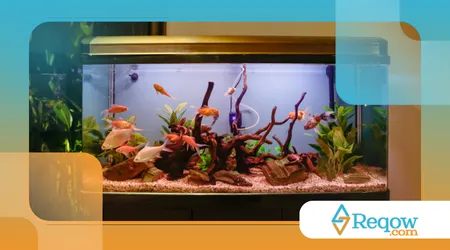
Understanding the hidden dynamics of these environments requires daily discipline and technical dedication from every aquarist, whether beginner or experienced.
By avoiding overpopulation and monitoring parameters weekly, your ecosystem will thrive in a healthy way. The secret lies in constant biological balance and high-performance filtration.
To deepen your practical knowledge about the well-being and biology of ornamental aquatic species, visit the bioscience portal of [website/organization name]. Ibama, a benchmark in environmental standards.
Frequently Asked Questions
How long can a fish live in a small aquarium?
If kept with efficient filtration and ideal parameters, smaller species live between 3 and 5 healthy years. Consistent care dictates longevity.
What is the best fish for beginners in small spaces?
The Betta fish stands out as the most suitable option due to its physical resilience. It adapts well to tank volumes starting from 15 liters.
Can I use mineral water in a small aquarium?
This is not recommended, as it lacks essential minerals for the health of the fish. Use tap water that has been properly treated with a good chemical conditioner.
How can I tell if ammonia levels are high in my system?
Fish often gasp at the surface and show redness in their gills. Use specific drop tests to monitor these chemical levels.
How many times a day should I feed my fish?
Feed the animals only once or twice a day in small portions. This prevents the accumulation of organic matter at the bottom of the jar.