
Emergency kit for cats: essential items to have at home
Have a emergency kit for cats A complete and accessible home care kit is the best way to protect your feline's health in unexpected situations.
Advertisements
Unexpected events and minor accidents require quick action, and the owner's preparedness makes all the difference in avoiding panic and acting efficiently.
With the right materials on hand, you can safely administer first aid and stabilize your pet before seeking care from a specialized veterinarian.
What you will learn in this guide:
- Why every tutor needs one. emergency kit for cats.
- Essential items for feline first aid at home.
- Complete table with basic medications and essential supplies.
- Serious mistakes you should never make.
- FAQ with the main questions from tutors.
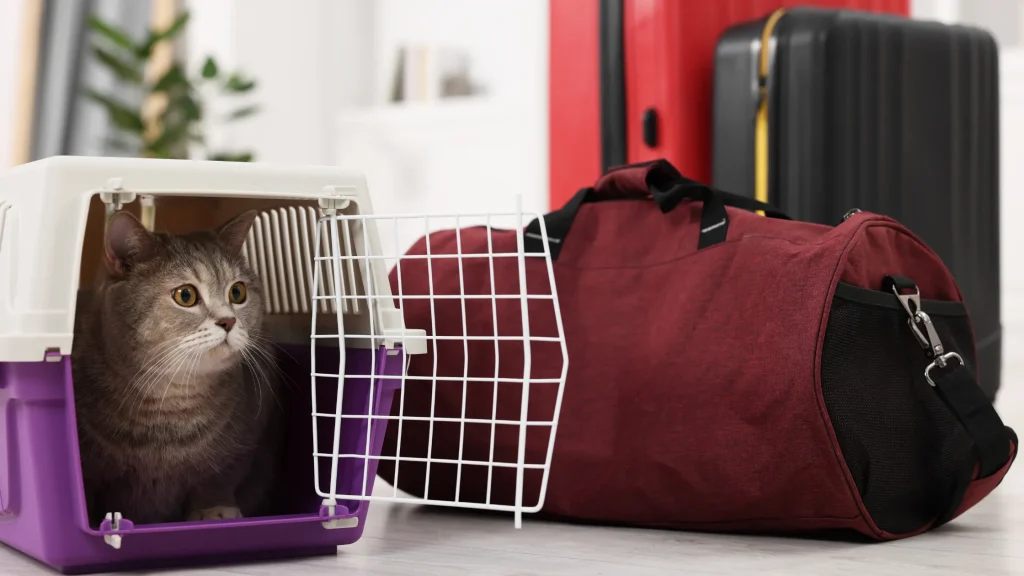
Why invest in an emergency kit for cats?
Cats are extremely curious animals, but they hide pain and discomfort with mastery.
When an accident or sudden illness occurs, precious minutes make all the difference in the animal's prognosis.
Advertisements
your emergency kit for cats It serves as immediate support before a consultation with the veterinarian.
It allows you to stop minor bleeding, clean simple wounds, and safely measure vital signs.
Studies show that having organized veterinary supplies reduces response time in home first aid by up to 40%.
This efficiency stabilizes the feline patient while you arrange transport to the clinic.
Essential items for feline first aid.
To assemble a functional kit, divide the materials into categories such as wound hygiene, physical restraint, vital signs assessment, and safe transport. This makes it easier to locate the exact location of each item in an emergency.
Dressing and hygiene materials
Sterile gauze, elastic bandages, and microporous tape are indispensable staples.
Use 0.9% saline solution to wash wounds or eyes affected by dust and irritants, without rubbing the affected area.
Also have a pet-safe antiseptic on hand, such as chlorhexidine 0.5%. Never use alcohol or hydrogen peroxide, as these products cause intense pain and destroy healthy skin cells in cats.
Tools and support equipment
Include a pair of round-tipped scissors for cutting strips, tweezers for removing splinters, and a small flashlight.
A digital thermometer with a flexible tip is vital for monitoring the animal's rectal temperature.
Procedure gloves protect the pet owner and prevent cross-contamination of the pet's wounds.
++ Cat refusing fresh water: tips to encourage consumption
Also keep a warm blanket or ice pack handy to prevent hypothermia, which is common in cases of shock.

Quick guide to the items and functions in the kit.
Visually organizing items helps in stressful situations. The table below lists essential supplies, their direct uses, and the correct way to store them in your first-aid kit.
Read more: Betta fish with cloudy water: care tips for maintaining the aquarium
| Kit Item | Main Function | Storage Precautions |
| 0.9% Physiological Saline Solution | Wound and eye cleaning | Keep refrigerated after opening. |
| Sterile gauze | Compression of bleeding | Keep in sealed packaging. |
| Flexible Thermometer | Rectal temperature measurement | Clean with alcohol after use. |
| Chlorhexidine 0.5% | Disinfection of superficial cuts | Protect from direct sunlight. |
| Microfiber Blanket | Thermal control and containment | Keep clean, dry, and folded. |
Medications: what is allowed and what is prohibited
Unlike dogs, cats' bodies do not metabolize many human medications.
Common medications such as paracetamol and ibuprofen are highly toxic to cats and can cause kidney failure and rapid death.
Keep it in your emergency kit for cats Only medications previously prescribed by the responsible veterinarian.
This includes specific eye drops, healing ointments, and possible allergy medications with individualized dosages calculated based on the animal's weight.
To consult the safety of substances and animal health guidelines, access the portal of Federal Council of Veterinary Medicine And stay up-to-date on standard care for small animals.
Precautions when handling a frightened or distressed cat
Even the most docile feline can scratch or bite vigorously when in pain.
Proper restraint protects the owner and prevents the animal from further injury during first aid.
Use the "burrito" technique, wrapping the cat tightly in a thick towel, leaving exposed only the area that needs urgent attention. This practice calms the feline and limits its movements.
++ Cat using a carrier: adaptation before travel
Never force handling if the animal shows extreme aggression or difficulty breathing.
In these cases, carefully place the pet in the carrier and go immediately to the nearest veterinary center.
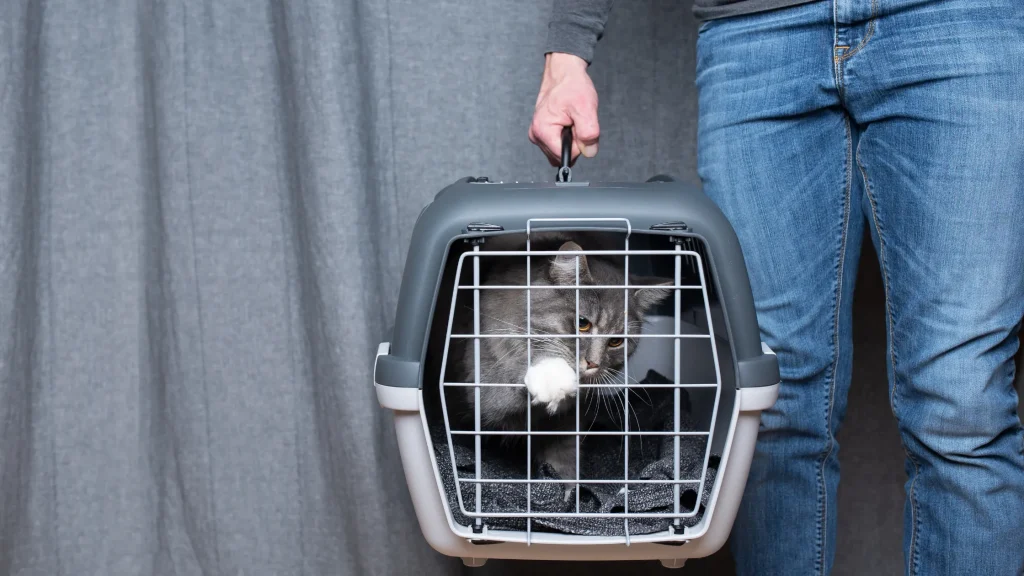
The Importance of the Transport Box in Emergencies
The transport box is an essential item for your emergency kit for cats in the event of an unforeseen circumstance.
In situations of pain or high stress, the animal needs a safe and well-ventilated place to travel to the veterinary clinic without risk.
Keep the accessory always clean, lined with soft blankets, and in an easily accessible location to avoid delays in providing assistance to the feline in case of any eventual domestic medical emergencies.
Frequently Asked Questions
1. Where should I store my cat's emergency kit?
Store the kit in a dry, well-ventilated place that is easily accessible to all adults in the house. Avoid high or locked cabinets that could delay rescue in an emergency.
2. How often should I check the items in the box?
Check the expiration dates of products and medications every six months.
Replace opened IV fluid containers after 24 hours and immediately replenish any material used in previous dressing changes to keep the kit complete.
3. Can I use human ointment on my cat's wound?
Do not use human ointments without professional authorization. Cats will lick the area and ingest the product, which can cause serious intestinal poisoning or severe allergic reactions in the feline organism.
4. What is the normal body temperature of a cat?
A healthy body temperature ranges between 38°C and 39.2°C. Values below or above this range indicate a medical emergency and require immediate professional evaluation at a veterinary emergency room.
Conclusion
Being prepared for unexpected events is a demonstration of love and responsibility towards your pet.
One emergency kit for cats A well-structured system brings peace of mind to the whole family and ensures quick assistance.
Remember that first aid is not a substitute for medical diagnosis.
Always consult a qualified professional for detailed guidance and follow reliable information on the website of Brazilian Association of Feline Clinicians, to protect the health of your beloved companion.