
Peixe betta e alimentação diária: hábitos recomendados
Entender o peixe betta e alimentação diária exige cuidados específicos para garantir a saúde e a longevidade deste animal fascinante nos aquários domésticos brasileiros.
Anúncios
Muitos tutores iniciantes cometem erros graves na nutrição destes pequenos nadadores. Oferecer ração em excesso pode prejudicar a qualidade da água e causar doenças fatais.
Neste artigo completo e atualizado, abordamos as melhores práticas nutricionais para o seu pet. Veja os tópicos principais que preparamos para o seu aprendizado prático:
- Frequência ideal das refeições
- Tipos de ração recomendados
- Quantidade exata por porção
- Sinais vitais de superalimentação
- Alternativas naturais e seguras
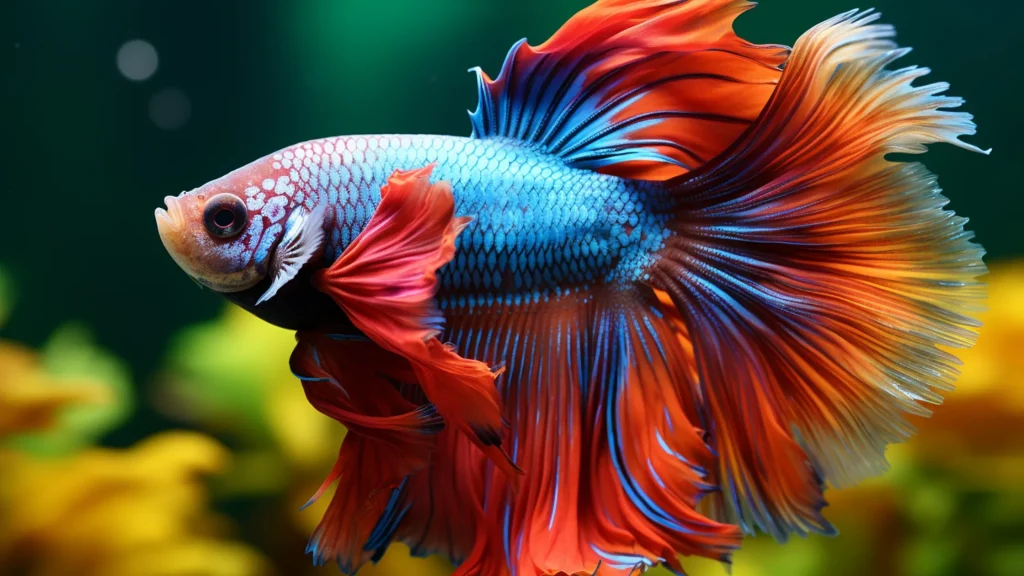
Como funciona o sistema digestivo do betta?
A anatomia gástrica desta espécie possui dimensões extremamente reduzidas. O estômago do animal tem um tamanho aproximado ao do seu próprio olho, limitando grandes refeições.
Oferecer volumes exagerados de comida sobrecarrega o trato intestinal rapidamente. O organismo não consegue processar os nutrientes, gerando problemas severos como a constipação abdominal crônica.
Anúncios
Sendo carnívoros por natureza, eles precisam de dietas ricas em proteínas. Ingredientes de origem animal garantem o desenvolvimento adequado das barbatanas e cores mais vibrantes.
Qual a quantidade ideal de ração?
A dosagem correta previne a obesidade e mantém o ambiente aquático limpo. Recomendamos fornecer entre dois e três grânulos específicos por refeição para cada indivíduo.
Observe o comportamento do seu pet durante o momento da refeição. Ele deve consumir toda a porção oferecida em um tempo máximo de dois minutos.
Caso sobrem resíduos flutuando ou caindo no fundo do aquário, retire tudo imediatamente com uma rede fina. Isso evita a formação indesejada de amônia tóxica na água.
Frequência correta para o peixe betta e alimentação diária
Estabelecer horários fixos ajuda na digestão e cria uma rotina saudável. Alimentar o seu companheiro aquático duas vezes ao dia apresenta os melhores resultados práticos.
Pela manhã, ofereça a primeira pequena porção ao acender as luzes. No fim da tarde, repita o processo com a mesma quantidade moderada de grânulos.
Considere implementar um dia inteiro de jejum na semana do seu pet. Profissionais indicam essa pausa para limpar o trato digestivo e prevenir inflamações intestinais graves.
Tipos de alimentos disponíveis no mercado atual
Existem várias opções comerciais desenvolvidas especificamente para as necessidades nutricionais desta espécie.
Você deve escolher produtos que priorizem ingredientes marinhos de alta qualidade na formulação.
As rações peletizadas flutuantes continuam sendo a escolha mais prática e limpa. Elas facilitam a captura superficial e diminuem os riscos de contaminação do substrato.
Rações em flocos também servem, mas afundam rapidamente e sujam o ambiente. Prefira marcas premium reconhecidas por associações veterinárias para assegurar a ingestão de vitaminas essenciais.
Para entender melhor os padrões de qualidade das rações, consulte as diretrizes nutricionais da Associação Brasileira de Indústria de Produtos para Animais de Estimação (Abinpet), que regulamenta o setor.
Suplementação com alimentos vivos ou liofilizados
Variar a dieta fortalece a imunidade e estimula o instinto de caça. Oferecer larvas de mosquito ou artêmias liofilizadas uma vez na semana traz excelentes benefícios.
A desidratação segura elimina parasitas perigosos presentes nas versões vivas tradicionais. Esse cuidado técnico evita infecções secundárias que podem comprometer a vitalidade do seu animal.
++ Calopsita e visitas frequentes: reduzindo o desconforto
Sempre hidrate os petiscos liofilizados com água do próprio aquário antes do consumo. Essa prática simples previne o inchaço estomacal repentino causado pela expansão do alimento seco.
Sinais de superalimentação e problemas de saúde
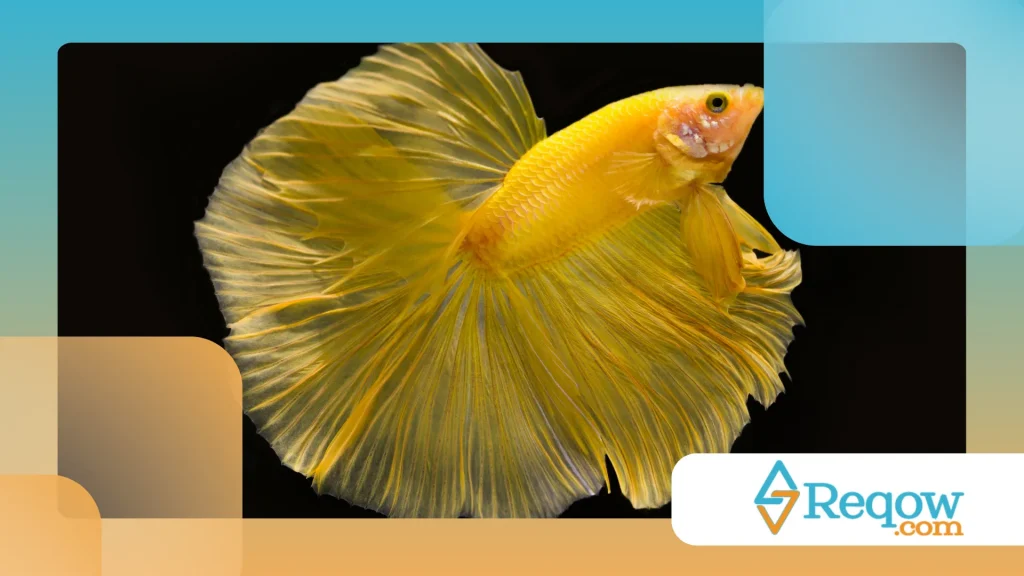
Administrar o peixe betta e alimentação diária de forma irresponsável gera consequências visíveis. O abdômen inchado representa o primeiro alerta vermelho de que algo está errado.
A letargia constante e a dificuldade para nadar normalmente indicam disfunções graves na bexiga natatória. O animal passa a ficar deitado no fundo ou preso na superfície.
Leia mais: Como evitar que seu pet desenvolva dependência emocional em tutores home office
Fezes longas e esbranquiçadas presas ao corpo também sinalizam estresse digestivo crônico. Reduza a oferta de comida imediatamente e monitore a evolução clínica durante as próximas horas.
Tabela de Composição Nutricional Recomendada
Selecionar o produto adequado exige leitura atenta dos rótulos comerciais disponíveis. Preparamos um comparativo prático para você identificar os níveis ideais de cada macronutriente na ração.
| Nutriente Principal | Porcentagem Ideal | Função no Organismo do Pet |
| Proteína Bruta | 35% a 40% | Crescimento muscular e reparação de tecidos finos. |
| Gordura (Lipídios) | 5% a 8% | Reserva primária de energia e absorção de vitaminas. |
| Fibra Bruta | Máximo de 3% | Auxílio leve no trânsito intestinal diário saudável. |
| Fósforo | Mínimo de 1% | Desenvolvimento estrutural e fortalecimento geral do sistema. |
Como manter a qualidade da água durante as refeições? Peixe betta e alimentação diária
A limpeza do aquário possui uma relação direta com o manejo alimentar. Restos orgânicos não consumidos entram em decomposição rápida, alterando o pH da água perigosamente.
Realize trocas parciais de água semanalmente para remover compostos nitrogenados invisíveis. Substituir vinte por cento do volume total já garante um habitat livre de agentes tóxicos.
++ Por que alguns cães parecem sorrir? O que a ciência realmente explica
Utilize condicionadores específicos sempre que adicionar água nova da torneira no recinto. Esses produtos neutralizam o cloro pesado e protegem as guelras sensíveis do seu peixe.
O impacto da temperatura na digestão
Bettas são animais tropicais que dependem de temperaturas estáveis para metabolizar nutrientes. Água fria reduz drasticamente a velocidade do metabolismo e inibe o apetite natural deles.
Mantenha o termostato configurado sempre entre vinte e cinco e vinte e sete graus Celsius. Esse aquecimento adequado otimiza a conversão alimentar e previne doenças oportunistas comuns.
Variações térmicas bruscas causam choque imunológico e paralisam o trato gastrointestinal completamente.
Instale um termômetro confiável para monitorar as condições diárias do ambiente aquático com precisão.
Conclusão
Garantir o sucesso com o peixe betta e alimentação diária requer disciplina, observação constante e produtos de alta qualidade técnica no dia a dia.
Nutrir seu pet corretamente evita sofrimento desnecessário e prolonga consideravelmente a expectativa de vida dele.
Animais bem alimentados interagem mais e exibem cores incrivelmente brilhantes aos tutores.
Aplique as medidas preventivas ensinadas aqui e veja seu companheiro prosperar saudavelmente.
O compromisso com a nutrição reflete diretamente na alegria de manter um aquário doméstico equilibrado.
Perguntas Frequentes
Posso dar comida comum de peixe para o betta?
As rações genéricas para peixes tropicais não atendem às exigências proteicas específicas desta linhagem carnívora.
Escolha sempre fórmulas direcionadas para suprir as necessidades biológicas exclusivas desta espécie belíssima.
Quanto tempo um betta sobrevive sem comer?
Adultos saudáveis conseguem suportar até dez dias sem ingerir nenhum alimento sólido com segurança. Isso permite viagens curtas sem preocupações, mas nunca deve virar um hábito intencional do tutor.
Meu pet cospe a ração. O que devo fazer?
Geralmente os grânulos duros são grandes demais para a boca pequena do animal. Tente quebrar os pellets em pedaços menores ou troque por uma marca que fabrique microgrânulos macios.
Onde encontro mais informações oficiais sobre cuidados com peixes?
Recomendamos sempre consultar manuais técnicos de veterinária ou documentos orientativos de órgãos responsáveis.
Acesse o portal do Conselho Federal de Medicina Veterinária (CFMV) para diretrizes seguras de bem-estar animal.