
How to care for a kitten in its first few days.

Knowing exactly taking care of a kitten It requires more than good intentions; it demands technical and emotional preparedness to welcome a being that, although it looks like a plush toy, is a miniature predator in full development.
Advertisements
The arrival of this new member subverts the logic of the house. More than adjusting the routine, it's necessary to see the environment from the perspective of someone who is only a few centimeters tall and has a curiosity that, not infrequently, borders on danger.
This guide avoids the obvious to ensure that this transition is safe for the animal and less chaotic for you.
Summary
- Safe environment engineering
- Nutrition and the myth of milk.
- Biological timeline and health
- The psychology of hygiene
- Development milestones
- FAQ and Final Reflection
How to prepare the house for the new cat?
Before opening the door, you need to "catify" every crack. There's something unsettling about how easily a kitten finds dangers invisible to us, like that gap behind the refrigerator or a frayed wire.
Remove plants like lilies and azaleas; what is purely aesthetic for the owner is, in fact, a fatal risk of kidney toxicity for the feline.
Advertisements
Window screens are not optional, even in single-story houses. The hunting instinct ignores gravity, and a passing insect can be the trigger for a disastrous jump.
Kittens don't have the sense of height that common sense usually attributes to adult cats.
Create an initial "safe haven." A smaller room with controlled sounds and familiar smells prevents the animal from entering a state of hypervigilance.
It's a common mistake, almost an excess of hospitality, to give total freedom immediately. Too much space scares those who are still too small for the world.
What is the ideal diet for a puppy?
Diet at this stage is the foundation for all of adult life. Forget the classic image of a kitten drinking cow's milk; this is a misguided cultural construct that results in severe cases of diarrhea.
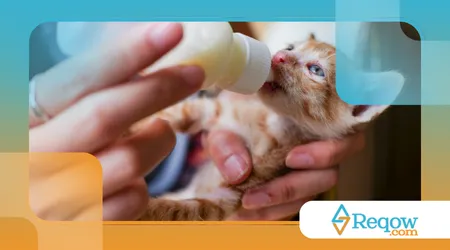
If the animal is less than 45 days old, it needs specific replacement formulas that mimic mother's milk.
Super premium cat foods with DHA are the gold standard. This nutrient focuses on the development of the nervous system, making the cat more able to learn rules of coexistence.
The transition to dry food should be gradual, often starting with purees to make chewing easier.
Hydration is the Achilles' heel of the species. As descendants of desert animals, cats have low sensitivity to thirst. Scatter water sources around the house or offer wet food daily.
++ How to stop your cat from meowing at night at home.
The water bowl next to the food is often ignored by instinct; in nature, water near the carcass may be contaminated.
Why is early socialization crucial?
A cat's temperament isn't something it's born with; it's shaped between the second and ninth week of life. This is the time to introduce it to the world.
Vacuum cleaner noises, visitors, and touching its paws should be associated with positive experiences. If the cat is isolated now, you will have a skittish and chronically stressed adult.
Playing is, in fact, training for life. Use wands and avoid the temptation to use your hands as "prey".
It may seem harmless when they are young, but teaching them that human skin is a target for hunting creates a behavioral problem that is difficult to reverse in adulthood.
To the taking care of a kittenUnderstand that it operates through positive reinforcement. Physical punishments only generate fear and break trust. Reward correct behavior with treats or affection, and ignore mistakes.
Read more: Tips for pet owners to create healthy habits without stress.
Feline psychology responds much better to indifference than to direct confrontation.
When should you schedule your first veterinary appointment?
The initial check-up should be immediate. FIV and FeLV tests are crucial, as these retroviruses alter the entire long-term health management.
A seemingly healthy cat can carry viruses that compromise its immune system, and knowing this early on changes the animal's life expectancy.
The first vaccines — usually the V4 or V5 — should be administered starting at 60 days of age. Before that, the animal is usually protected by maternal antibodies, but this window of protection closes quickly.
Do not postpone this step; diseases such as panleukopenia can be fatal in a matter of hours for a young organism.
The deworming protocol also runs concurrently. Intestinal parasites steal vital nutrients at a time when every gram of weight gain counts.
A puppy with "water belly" is not necessarily a well-nourished animal, but rather a warning sign of an infestation that requires urgent medical treatment.

How do I teach my cat to use the litter box?
Cats have an obsession with hygiene that makes life much easier for their owner. The secret is not teaching them to use the litter box, but rather not interfering with their instinct. The litter box should be placed in a low-traffic area.
No one likes to be watched when they are vulnerable, and it's no different for cats.
Avoid sands with strong perfumes. Their sense of smell is exponentially more sensitive than ours, and what smells "clean" to us can be a chemical repellent to them.
Natural substrates, which resemble the texture of soil, are usually accepted immediately and without problems.
Maintenance must be rigorous. If the litter box is dirty, the cat will seek out the living room rug or your comforter. It's not revenge, it's simply a search for a clean place.
If you have more than one cat, the golden rule is to always have one more litter box than the number of animals in the household.
To deepen knowledge about immunization and international protocols, the guidelines of World Small Animal Veterinary Association (WSAVA) They are the most respected technical authority in the sector.
Puppy Development Milestones (0 to 12 weeks)
| Age | Biological Evolution | Tutor's Focus |
| 1-3 weeks | Eye opening and hearing | Thermal stimulation and breastfeeding |
| 4-6 weeks | Start of weaning and teething | Introduction of wet food |
| 7-9 weeks | Coordination and jumping | First dose of vaccines and deworming medication. |
| 10-12 weeks | Social identity and hierarchy | Environmental enrichment and limits |
What are the warning signs of health for caring for a kitten?
Puppies are metabolically fragile. Lethargy that lasts all day, accompanied by refusal to eat, is a medical emergency. Saying "I'll take them tomorrow" may be too late.
Observe the color of the gums; they should be pink. White or yellowish gums indicate serious oxygenation or liver problems.
Frequent sneezing and eye discharge are usually signs of feline respiratory complex. Although it may seem like a common cold, in kittens it can quickly develop into pneumonia.
Self-medication here is dangerous and often toxic, since the animal's liver does not yet process drugs like an adult's.
Monitoring your puppy's weight is your best indicator. A puppy that stops gaining weight or starts losing weight is signaling a metabolic problem or an underlying infection.
Use a kitchen scale to track this growth in the first few weeks; accuracy here is a lifesaver.
How can we ensure good sleep and well-being?
A kitten sleeps most of the day. This deep sleep is vital for the synthesis of growth hormone.
Resisting the urge to wake your pet to play is a necessary exercise in self-control for their well-being. Rest is sacred and should not be interrupted.
Verticalization of the environment is a biological necessity, not a luxury. High shelves and scratching posts offer the cat an escape route and a panoramic view, which drastically reduces cortisol levels.
A cat that observes the world from above is a cat that feels in control of its territory.
Keep the temperature constant. Puppies have difficulty regulating their body temperature in the first few weeks.
A cozy bed, away from drafts, prevents respiratory problems and ensures that the energy from food is used for growth, not just to keep the body warm.
Continuous learning about the species' behavior transforms coexistence.
The website of Federal Council of Veterinary Medicine (CFMV) It offers materials that help to understand the ethical responsibility of having an animal under one's care.
Final reflection
Welcoming a kitten means making a commitment of almost two decades. The first few days are tiring and require vigilance, but they establish the trust that will define the relationship.
By respecting the animal's time and providing the right resources, you are not just raising a pet, but ensuring the dignity of a life that depends entirely on your choices.
Frequently Asked Questions
Do kittens need to be bathed?
Rarely. They have an efficient self-cleaning system. Bathing removes the skin's protective layer and causes unnecessary stress that can lower the animal's immunity.
What is the right age for neutering/spaying?
Although pediatric protocols exist, most veterinarians recommend between 4 and 6 months of age. This prevents the onset of sexual behavior, such as territorial marking and escapes, without harming growth.
How can you tell if your puppy is in pain?
Cats are masters at hiding pain. Pay attention to subtle changes: if your cat stops licking itself, hides in dark places, or becomes aggressive when touched, seek professional help immediately.
Can my cat sleep in my bed?
It's a personal choice, but remember that puppies are small and can be accidentally crushed while their owner is sleeping soundly. Ideally, they should have their own space until they are larger.
Why does my cat bite me out of nowhere?
It's usually an invitation to play or a sign that he's hypersensitive to touch. Learn to read body language cues, such as a wagging tail or ears back, which indicate that interaction should stop.
++ How to care for kittens? Tips for a smooth transition.
++ Learn how to care for newborn kittens.