
Newly arrived cockatiel: common mistakes in the first few days
Bring a newly arrived cockatiel Taking a pet home requires considerable technical preparation, as well as empathy from the new owners throughout the initial adaptation phase to the new environment.
Advertisements
This transition generates natural stress in the bird, requiring specific care to ensure the physical health and emotional stability of your newest pet.
To facilitate this process and avoid serious problems, we will address essential topics that you need to master immediately. See what we have prepared to guide your initial routine:
- The expected behavior in the first few days.
- Common mistakes in feeding and handling.
- How to structure the cage correctly.
- Warning signs to seek veterinary care.

How does a cockatiel behave in its first few days?
The survival instinct dictates the bird's initial actions in the unfamiliar environment.
She tends to remain motionless, attentively observing every movement around her with suspicion.
Advertisements
Noticing prolonged silence or lack of appetite in the first twenty-four hours is a completely normal reaction to the brutal shock of changing territories.
Forcing interactions at this vulnerable moment breaks the bird's trust.
Experts recommend maintaining a respectful distance, giving the parakeet time to process all the new information.
Crucial errors in bird adaptation
Trying to catch the bird with your hands
Human hands represent gigantic predators for small birds.
Chasing a bird around its cage to pet it generates extreme panic, which can cause fatal accidents or profound psychological trauma.
Build this approach gradually through the grids.
Offer safe treats, speak in a soft tone, and wait for the cat itself to respond. newly arrived cockatiel decide to approach voluntarily.
Ignore the cage's positioning.
Installing the aviary in areas of constant traffic or near televisions prevents the bird from getting adequate rest.
Drafts also severely damage the animal's immunity.
Choose a quiet corner, leaning against a wall to ensure a feeling of security.
Well-lit and ventilated environments, free from direct drafts, create the perfect domestic habitat.
Offer only a seed mix.
Diets based exclusively on sunflower seeds cause nutritional deficiencies and serious liver disease.
This outdated feeding practice directly harms the longevity of your new feathered companion.
Introduce high-quality extruded feed immediately.
The transition to a new diet requires patience and should follow strict guidelines from a specialist in wild and exotic animals.
Consulting technical materials from reputable institutions helps in formulating a diet.
See the nutritional guidelines at website of the Federal Council of Veterinary Medicine (CFMV) to deepen your practical knowledge.
Ideal structure for initial accommodation.
The available space directly impacts the bird's quality of life.
Round cages disorient the bird, while plastic perches cause serious injuries to their feet over time.
Prioritize spacious rectangular enclosures equipped with natural wood perches of varying diameters.
This diversity exercises the leg muscles and prevents the onset of avian pododermatitis.
Distribute feeders and waterers strategically, avoiding placing them below the perches.
++ How to care for a tame cockatiel indoors.
This prevents the contamination of water and food with feces, ensuring continuous basic hygiene.
Vital signs of warning and health
Carefully observe the posture of newly arrived cockatiel saves lives.
Sick birds hide symptoms as a natural defense mechanism, requiring a trained eye from the owner right from the first few weeks.
Prolonged lethargy, panting with an open beak, or excessively liquid stools indicate urgent problems.
In these critical scenarios, immediate veterinary intervention becomes absolutely non-negotiable to prevent deaths.
Read more: Smart routine for busy pet owners: how to maintain your pet's well-being even with limited time.
Sleeping at the bottom of the cage or having constantly ruffled feathers during the day indicates a sudden drop in body temperature or advanced and dangerous systemic infections.
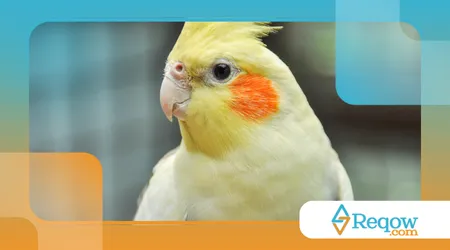
Comparison of safe and toxic foods
Distinguishing between permitted foods and poisonous items ensures the animal's daily safety.
Many vegetables common in Brazilian kitchens contain toxins that are fatal to the digestive system of birds.
Analyze the table below to organize your daily meals safely.
These data reflect the poultry nutrition protocols updated by experts this year.
| Food Category | Safe and Recommended Items | Highly Toxic Items (Prohibited) |
| Vegetables | Kale, spinach, broccoli, endive | Lettuce (causes severe diarrhea) |
| Fruits | Apple (without seeds), banana, papaya | Avocado, apple/pear seeds |
| Proteins and Extras | Boiled egg (occasionally), cuttlebone | Milk, cheese, chocolate, caffeine |
| Diet Basis | Extruded feed specifically formulated for psittacines. | Bread, biscuits, seasoned foods |
Establishing the first sleep routine
Birds need continuous nighttime rest to maintain a strong immune system.
Lack of sleep causes chronic irritability and aggressive behavior in newly arrived cockatiel quickly.
Guarantee twelve full hours of darkness and absolute silence.
Covering the cage with a dark fabric helps block visual stimuli, creating an environment conducive to deep sleep.
Avoid removing the cover suddenly in the morning.
++ Cockatiel tilting its head: interesting facts about this habit.
Open the enclosure gradually so that the natural light wakes the bird without causing fright or stressful reactions.
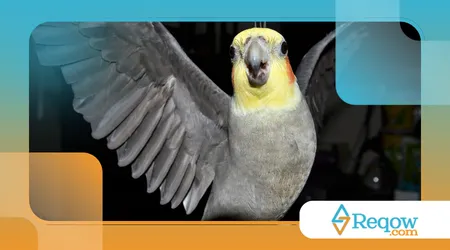
When to start training and interaction
Wait at least two weeks before starting training outside the cage.
Respecting this observation period strengthens the bonds of trust that are essential for successful taming.
Begin training by offering seeds through the wire mesh.
Once the bird calmly accepts the food, move on to short interactions with the door open, under constant supervision.
Progress depends entirely on your bird's natural pace.
Being a pet owner requires managing daily expectations, celebrating small achievements without pushing the wild animal's emotional limits.
Conclusion
Mastering the care of a newly arrived cockatiel It transforms the challenge of adaptation into a rewarding experience.
Advance planning avoids common mistakes that harm poultry health.
Patience, respect for the animal's space, and smart nutritional choices form the basis of success.
Invest time observing the bird's behavior to understand its daily needs.
Always maintain close contact with qualified professionals.
Access reference publications, such as the WSAVA Poultry Welfare Guide, to ensure continuously updated and safe practices.
Frequently Asked Questions
How many days does it take for a cockatiel to get used to something?
The adaptation period varies depending on the bird's previous handling history. Generally, it takes the bird between two and four weeks to show complete relaxation in the new environment.
Why isn't my newly arrived cockatiel singing?
The stress of the change temporarily silences the birds.
One newly arrived cockatiel They need to feel completely safe in the territory before expressing joyful vocal behaviors, such as whistling and spontaneous singing.
Can I let the cockatiel out on the first day?
Releasing the bird without prior acclimation results in desperate flights against walls and windows.
Keep the bird in a closed cage for the first few weeks to prevent fatal accidents.
How can you tell if your cockatiel is cold?
Birds ruffle their feathers and tuck their beaks into their wings to retain body heat.
Environments below twenty degrees require the use of specific heaters to maintain daily thermal comfort.