
Hamster hoarding food: the instinct behind hoarding
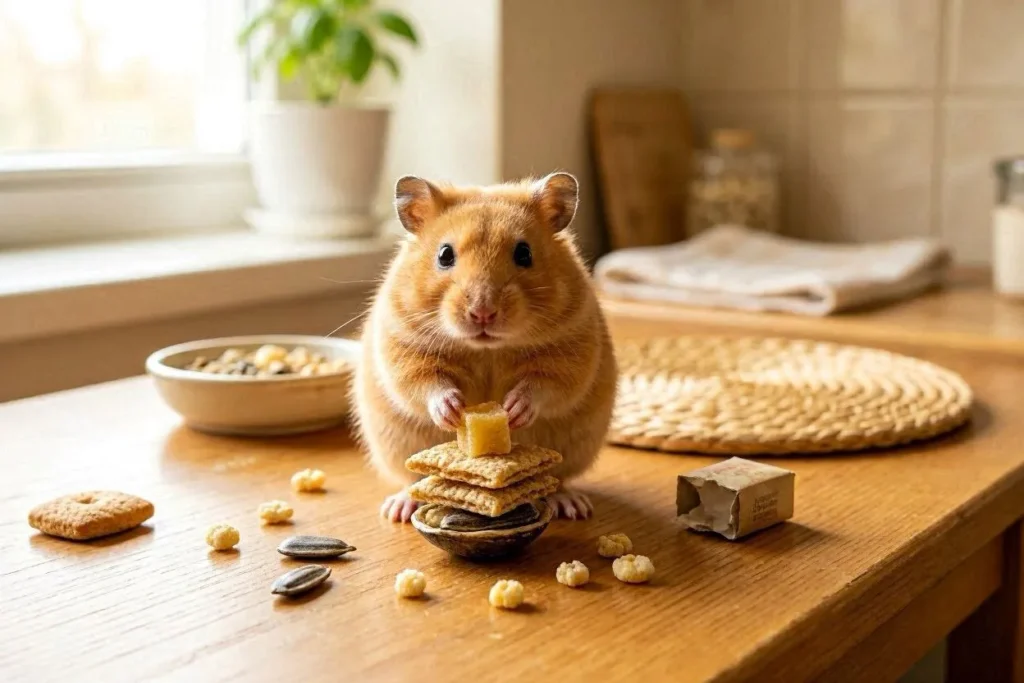
See one hamster piling up food The sight of the cheeks on the cheeks will surprise any novice pet owner during the daily routine.
Advertisements
This behavior reflects a strong survival instinct in the species.
Small rodents have developed this fascinating ability to secure sustenance in arid and hostile habitats.
Nature shaped these creatures to withstand long periods of food scarcity.
Understanding this fascinating biology helps you create a much more welcoming home environment.
Advertisements
Below are the main points we will explore in this complete guide:
- Evolutionary origin of seed and grain storage.
- Anatomical functioning of the impressive facial pouches of rodents.
- Real risks of spoilage in the animal stock.
- Essential tips for cleaning the cage without scaring your pet.
- A clear distinction between natural instinct and clinical anxiety.

Why do rodents store supplies in corners?
The main answer involves the wild ancestry of these popular small nocturnal mammals.
Their ancestors lived in Asian deserts with extremely limited water and nutritional resources.
In these desert environments, they needed to seize every quick foraging opportunity during the early morning hours.
Gathering and hiding seeds ensured energy for the harsh winter months.
Today, your pet repeats that same genetic programming inside your home.
He feels an immense biological need to create secret hiding places near his bed.
How does the anatomy of the cheeks facilitate this rapid collection?
Evolution has endowed these animals with impressive elastic facial pouches, called evaginations of the oral mucosa.
They start in the mouth and can extend to the shoulders.
When empty, these pouches become invisible and fit perfectly beneath the furry skin.
However, they double in size rapidly as the animal introduces new whole grains.
The absence of salivary glands in these structures keeps the food completely dry.
This prevents seed germination and avoids the rapid proliferation of dangerous fungi.
Hidden dangers in your pet's pantry.
Although it is normal behavior, pet owners need to monitor the quality of this food pantry carefully.
Moist organic remains hidden under sawdust represent a silent and serious risk.
Fresh fruits and raw vegetables rot quickly when mixed with dirty substrate.
Consuming moldy food causes severe gastrointestinal disturbances and can be fatal to a sensitive individual.
The constant habit of hamster piling up food This requires extra attention to the expiration dates of vegetables.
Offer perishable items only in small quantities that he consumes at the exact time.
++ Cockatiel tilting its head: interesting facts about this habit.
Smart strategies for cleaning the cage properly.
Cleaning the enclosure requires a great deal of finesse to avoid destroying your rodent's hard work. Never throw away all the food during the weekly cleaning of the enclosure.
Remove only damp items, overripe vegetables, or grains that are visibly soiled with urine.
Leave a clean portion of the old food in the exact same secret spot as before.
We recommend seeking up-to-date scientific guidance on animal care and environmental enrichment.
You can access the detailed publications from the Smithsonian National Museum of Natural History to improve handling.
Comparative table of foods for the nature reserve.
Selecting the right ingredients ensures your pet's long-term preventative health. See which options are best suited for building a safe and consistent daily pet food supply:
| Food Type | Can it be stored in the burrow? | Risk of Damage | Practical Recommendation for Use |
| Premium Extruded Pet Food | Yes, highly recommended. | Very low | Basis of the ideal diet |
| Dried Sunflower Seeds | Yes, with extreme moderation. | Low | Use only as a treat. |
| Fresh Vegetables | No, avoid stockpiling. | Very high | Offer very small portions. |
| Watery Fruits (Apple) | No, risk of fermentation. | High | Remove leftovers too quickly. |
Structural difference between healthy hoarding and dangerous gluttony: hamster hoarding food.
Many homeowners confuse the natural practice of storing supplies with excessive food consumption.
The rodent rarely eats all that it compulsively hides in dark corners.
Observe the hamster piling up food This doesn't mean he suffers from insatiable hunger. He simply blindly obeys the biological command to create a safeguard for an uncertain future.
Obesity occurs when the owner refills the food bowl without checking the hiding places.
++ Why do hamsters sleep during the day? Understand this habit.
Reduce the daily offering if you notice gigantic piles scattered throughout the tubes of the spacious cage.
Visual indicators of environmental stress in daily life.
Excessive hoarding can reveal a chronic condition of stress or inappropriate territorial competition.
This often happens when two individuals share the same limited and unsuitable space.
Solitary species experience enormous pressure when sharing resources in captivity with other individuals.
They begin to compulsively hide their entire diet to prevent their rival from stealing it.
Read more: Newly arrived cockatiel: common mistakes in the first few days
Very small cages also trigger alertness and anxiety in these sensitive mammals.
The animal is trying to protect its meager belongings in a territory it doesn't consider entirely safe.
Conclusion
A deep understanding of these natural patterns completely transforms the way you handle your pet.
Respect for ancestral instincts ensures the absolute psychological well-being of the little inhabitant.
To value the instinct of hamster piling up food reaffirms the power of animal biological adaptation.
Utilize these unique features to provide an exceptional quality of life for your companion.
To access validated international welfare protocols for rodents kept in domestic environments, consult experts.
We recommend the official guidelines from the Royal Society for the Prevention of Cruelty to Animals.
Frequently Asked Questions
Can I empty my pet's cheeks manually?
Never try to squeeze or empty your pet's cheek pouches using your bare hands.
This aggressive procedure damages delicate tissues and causes severe psychological trauma to established trust.
The emptying occurs naturally when the bird achieves the tranquility and security of its nest.
Just observe the process from a distance and allow it to work in complete peace.
Why does the rodent sleep on top of its food?
Sleeping on top of your own supplies increases the immediate feeling of thermal comfort and security for your property.
He physically protects his most valuable resource from potential imaginary predators.
Find the hamster piling up food The fact that he was in bed demonstrates that he approved of that specific location.
Keep this area clean and tidy without altering the basic structure he put in place.
What is the ideal daily amount to avoid excesses?
Experts recommend approximately one tablespoon of high-quality extruded food daily.
This measure perfectly meets the basic nutritional requirements without generating huge amounts of leftover food in the cage.
Adjust the supply by observing the metabolic rate and the deposits built up weekly in hidden hiding places.
A controlled diet improves longevity and ensures lasting vitality for the little daily explorer.