
Cockatiel biting its owner: actions that help reduce it.
Cockatiel biting its owner. It often generates frustration, but it's rarely behavior "without reason." There's always a context, however subtle, behind this reaction.
Advertisements
Often, the bird is simply trying to communicate discomfort, fear, or overstimulation. When these signals go unnoticed, biting becomes a last resort.
Understanding this dynamic completely changes the relationship. Instead of reacting, the tutor begins to interpret—and, from that, act in a more conscious and effective way.
In this article, you will find:
- Why do cockatiels bite and what are they trying to say?
- Common mistakes that worsen behavior
- Practical techniques for handling and positive training.
- A clear table of body signals and recommended responses.
- FAQ with real questions from tutors.
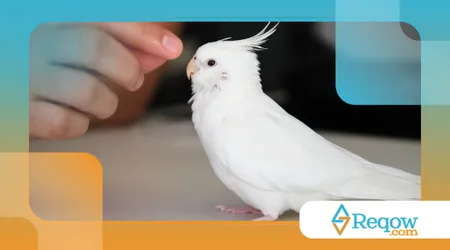
Why does the cockatiel bite its owner?
Biting often stems from fear, territorial protection, frustration, or overstimulation. The bird uses its beak as its primary tool for interaction, so biting can be a clear "stop" signal.
Advertisements
Cockatiels also go through hormonal phases, especially in the spring, when they become more reactive. During these periods, even minor intrusions into their space can trigger defensive responses, even in previously docile birds.
Another frequent factor is accidental learning. If the owner quickly backs away after the bite, the bird understands that biting works to ward off unwanted hands, reinforcing the behavior.
Body language that precedes a bite.
Before biting, cockatiels usually "warn" you. Ignoring these signs increases the risk of a stronger reaction. Observe their posture, crest, and vocalization pattern. Guide to the Body Language of Psittacines (Association of Avian Veterinarians)
Consistently reading these signals allows one to interrupt the interaction at the right moment, avoiding reinforcing the cycle of tension and defense.
Practical table: signs and what to do
| Observed signal | What it means | How to act immediately |
|---|---|---|
| Might raised and body rigid | Alert/irritation | Stop the contact and give them space. |
| Pupils contracting/dilating rapidly | Excitement or stress | Speak softly and reduce stimuli. |
| Semi-open beak directed towards the hand | Direct notice | Slowly move your hand away. |
| Wings slightly open and low posture | Territorial defense | Don't insist; come back later. |
| Repeated high-pitched vocalization | Discomfort | Stop the interaction. |
Common mistakes that increase bites
Punishing, yelling at, or tapping the beak creates fear and breaks trust. The bird begins to associate its owner with something unpredictable, increasing the likelihood of defensive responses.
Forcing interaction when the cockatiel doesn't want contact is another classic mistake. Respecting the bird's "no" is essential for building cooperation in the medium term.
++ How to teach a cockatiel not to scream frequently
Excessive stimulation is also a problem. Long sessions, loud noises, and frequent handling can leave the bird overwhelmed. Short, positive sessions usually work better than long, insistent ones.
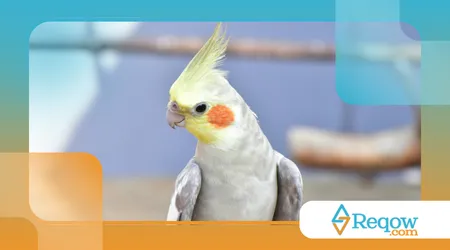
How to reduce Cockatiel biting its owner. in practice
Training based on positive reinforcement is the safest approach. Reward calm and voluntary behaviors, such as stepping onto a finger without tension, approaching without ruffling feathers, or accepting brief petting.
Use simple "markers," such as a gentle "good!" at the exact moment of success, followed by a small treat. This helps the bird understand exactly which behavior generated the reward.
++ How to teach a cockatiel to perch on your finger easily.
Insert the target using a toothpick or stick. Teach the child to touch the target with their beak and reward them. Then, use the target to guide movements without directly using their hand.
A routine that works
- Short sessions (3–5 minutes), two to three times a day.
- A tranquil environment, without intense distractions.
- Clear criteria: only proceed when the bird is relaxed.
- Always finish successfully, even if it's small.
Environmental adjustments that make a difference: Cockatiel biting its owner.
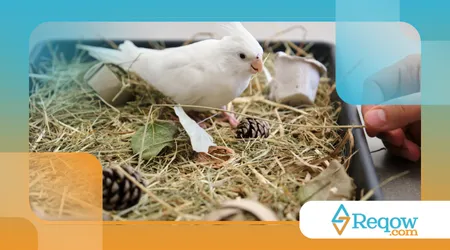
Provide environmental enrichment: chew toys, forage, and a variety of perches. A busy and mentally stimulated bird tends to bite less out of frustration.
Control triggers that stimulate territoriality, such as makeshift nests, boxes, and dark corners. Removing these triggers reduces defensive behaviors, especially during hormonal phases.
Read more: Cat sleeping on electronics: what attracts felines
Ensure adequate sleep, between 10 and 12 hours of continuous darkness. Sleep deprivation increases irritability and reactivity, directly impacting the frequency of biting.
When a bite happens: how to react
Avoid sudden movements. Remove your hand calmly and neutrally, without yelling. Intense reactions can frighten the animal or, in some cases, reinforce the bite due to the attention it generates.
After the incident, don't "punish" the bird. Instead, review the context: were there any prior signs? Was the environment hectic? Adjust your management to prevent recurrence.
If the biting is frequent and intense, consider professional guidance from a veterinarian specializing in birds or a behavioral consultant. Assessing overall health is also important.
Food and energy: indirect impact
An unbalanced diet can influence behavior. Excess fatty seeds, for example, increase available energy and can intensify reactivity in some individuals.
Choose a diet based on high-quality extruded kibble, supplemented with safe vegetables and fruits in small quantities. Adequate hydration also contributes to behavioral stability.
Conclusion
Reduce Cockatiel biting its owner. It requires reading signals, respecting the bird's limits, and consistent training with positive reinforcement. Small daily adjustments accumulate solid results over the weeks.
By transforming interactions into predictable and enjoyable experiences, you strengthen trust. This reduces the need for aggression, and the relationship evolves into genuine cooperation.
For more in-depth information on the care and well-being of psittacines, consult the following technical reference materials: Manual for the care of companion birds (World Organisation for Animal Health)
Frequently Asked Questions
Do cockatiels bite out of jealousy?
It may seem like jealousy, but it's usually territorial protection or a desire to control the environment. Adjusting management and reinforcing calm behaviors tends to resolve the issue better than labeling the problem.
Can I blow on the bird's face when it bites?
It's not recommended. Blowing on them can scare them and increase distrust. It's better to calmly remove your hand and reorganize the situation to avoid future incidents.
How long does it take for them to stop biting?
It varies depending on the training history and consistency. In general, with daily sessions and proper management, many owners see improvement within a few weeks.
Do treats spoil your cockatiel?
When used correctly, treats are learning tools. The secret is small quantities, precise timing, and clear criteria to reinforce only desired behaviors.