
My cat has suddenly become aggressive: how to differentiate between pain, stress, or a change in environment?
My cat has suddenly become aggressive. And this behavior should never be dismissed as simply "bad mood."
Advertisements
Sudden changes often indicate pain, fear, stress, or changes that have affected the animal's well-being.
In this article you will discover:
- How to identify the most common causes of sudden aggression.
- What signs indicate physical pain or illness?
- How stress and environmental changes affect feline behavior.
- When to seek veterinary care immediately.
- What to do to help your cat regain its balance.
Cats are very skillful at hiding discomfort. Because they are descended from both predators and prey, they have learned to mask signs of weakness.
When they finally show aggression, they are often trying to communicate that something important has changed.
Advertisements
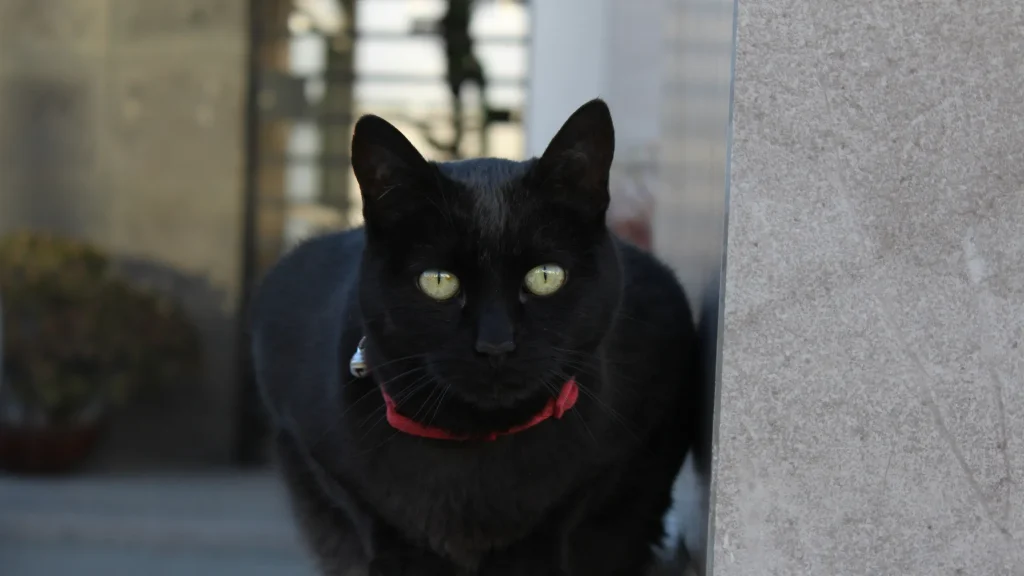
Why can a cat's behavior change from one day to the next?
Although each cat has its own personality, sudden changes rarely happen without reason.
Aggressive behavior often arises when the animal feels pain, fear, territorial insecurity, or faces stressful situations.
I've witnessed a case of an extremely docile cat that began attacking anyone who tried to pick her up.
The family initially thought it was jealousy following the arrival of a baby. During a veterinary consultation, they discovered a painful inflammation in the spine caused by osteoarthritis.
This example shows how interpreting behavior alone can lead to incorrect conclusions. Before considering training, it's always worth investigating the animal's health.
How to differentiate between pain, stress, and changes in environment.
Although the signs may seem similar, some details help to identify the source of the problem.
| Possible cause | Main signs | What to do |
|---|---|---|
| Physical pain | Growling at touch, isolation, difficulty walking, change in appetite. | Seek veterinary care quickly. |
| Stress | Hiding, intense vocalization, excessive licking, urine marking. | Identify and reduce stressors. |
| Change of environment | Insecurity, fear, temporary refusal to eat, defensive behavior. | Make gradual adjustments and offer safe spaces. |
This distinction does not replace a professional diagnosis, but it helps the pet owner to act more quickly.
When pain is the real culprit
Many pet owners are surprised to discover that a physical problem explains almost all behavioral changes.
Arthritis, dental diseases, urinary tract infections, muscle injuries, neurological diseases, and hormonal imbalances can trigger intense defensive reactions.
Instead of demonstrating distress with constant vocalizations, many cats prefer to avoid any approach.
When the The cat is suddenly becoming aggressive.Observe if he avoids being touched in a certain area, limps slightly, or changes his eating habits.
These small details often offer important clues to the veterinarian.
Stress can completely transform behavior.
According to experts from American Association of Feline PractitionersRecognizing early signs of pain significantly improves the quality of life for cats.
Please refer to the guidelines available at American Association of Feline Practitioners on pain assessment in cats.
Cats value predictability. Seemingly small changes can have a big emotional impact.
Among the most common factors are renovations, new residents, the arrival of another animal, changes in the owner's routine, excessive visits, constant noise, and a lack of elevated places for rest.
Prolonged stress increases the production of hormones related to alertness.
As a result, the cat begins to react more defensively to everyday stimuli.
++ Cat waking owners up early: changes that help
The animal doesn't always intend to attack. Often it's simply trying to increase the distance between itself and what it perceives as a threat.
Signs that often accompany stress
In addition to aggression, some behaviors appear frequently:
- Hiding for most of the day.
- Stop playing around.
- Sleeping in unusual places.
- Excessive licking of certain areas.
- Marking territory with urine.
- Scratching furniture more intensely.
The sooner these signs are identified, the greater the chances of avoiding lasting behavioral problems.
Read more: How to teach a cat to accept being held without stress
Can moving house make a cat feel insecure?
Yes. Cats develop a strong bond with their territory. When they change residence, they lose important references such as familiar smells, routines, and hiding places.
During the first few days, some cats remain hidden almost all the time.
Others exhibit defensive behavior whenever someone tries to approach them.
In these situations, providing a calm environment makes a huge difference.
Open transport crates, raised shelves, scratching posts, and safe hiding places help the animal regain confidence.
++ Betta fish and daily feeding: recommended habits
It's also helpful to maintain consistent mealtimes and playtime schedules, reducing feelings of unpredictability.
What to avoid when your cat reacts aggressively.
Punishing the cat almost always makes the situation worse.
Shouting, spraying water, or punishments increase fear and can strengthen the negative association with the owner.
Instead, try to calmly end the interaction and give the animal space to relax.
Avoid insisting on picking him up, petting him, or bringing other children near him while he shows clear signs of discomfort.
Respecting a cat's boundaries speeds up emotional recovery and reduces future conflicts.
When to seek veterinary care immediately
Seek medical attention if aggression is accompanied by loss of appetite, difficulty urinating, frequent vomiting, difficulty walking, seizures, altered breathing, or significant changes in level of consciousness.
Any persistent behavioral change lasting more than a few days also warrants investigation, especially in older cats.
When necessary, the veterinarian may order physical, laboratory, or imaging tests to identify the true cause.
How to help your cat regain confidence: cat suddenly becomes aggressive
After ruling out medical problems, it's worth investing in environmental enrichment and proper management.
Daily play with wands, elevated places, hiding spots, predictable mealtimes, and mental stimulation help reduce anxiety.
Synthetic feline pheromones may also help some animals, always under professional guidance.
When the The cat is suddenly becoming aggressive.Addressing the root cause yields far better results than simply trying to control the behavior.

Conclusion
Sudden changes in behavior represent an important form of communication.
Instead of interpreting aggression as disobedience, observe the context, look for physical signs, and assess recent changes in routine.
The combination of veterinary assessment, a suitable environment, and respect for the animal's pace usually yields excellent results.
To learn more about feline behavior care, consult the material from... American Veterinary Medical Association sabout cat health and well-being, which brings together evidence-based guidelines.
Frequently Asked Questions
Does sudden aggression always mean illness?
No. Although pain is a major cause, stress, fear, environmental changes, and territorial conflicts can also trigger behavioral changes.
How long does it take for a cat to adapt to a new home?
Each animal responds differently. Some adapt in a few days, while others need several weeks to fully regain their trust.
Can I medicate my cat without veterinary guidance?
No. Inappropriate medications can mask symptoms, cause poisoning, and hinder accurate diagnosis.
Does neutering reduce aggressive behavior?
In some cases, especially when there is hormonal influence or territorial dispute, castration can reduce aggressive behaviors.
However, it does not solve problems related to pain, illness, or environmental stress.
++ Stressed cat: 5 reasons that lead a cat to this condition.
++ Stressed cat: how to identify, treat and prevent feline stress