
Cockatiels and frequent visits: reducing discomfort
Dealing with the complex relationship between your cockatiel and frequent visits It requires paying close attention to your pet's behavioral cues.
Advertisements
Having friends over at home drastically alters the ambient sound and visual routine, generating considerable anxiety in psittacines not accustomed to excessive noise.
Preparing the physical space and guiding the guests forms the basis for ensuring the psychological and physical well-being of your little winged companion.
Understanding the specificities of avian behavior transforms you into a much more responsible pet owner. Small details in the environment make a huge difference in daily life.
In this comprehensive practical guide, you will learn techniques validated by veterinarians specializing in exotic animals to minimize negative impacts during their social encounters.
Advertisements
What you will see in this article:
- Real environmental factors that trigger stress in exotic birds.
- Main physical and behavioral warning signs of extreme discomfort.
- Practical steps to properly adapt the internal space of the cage.
- Tactics for properly guiding guests in your home.
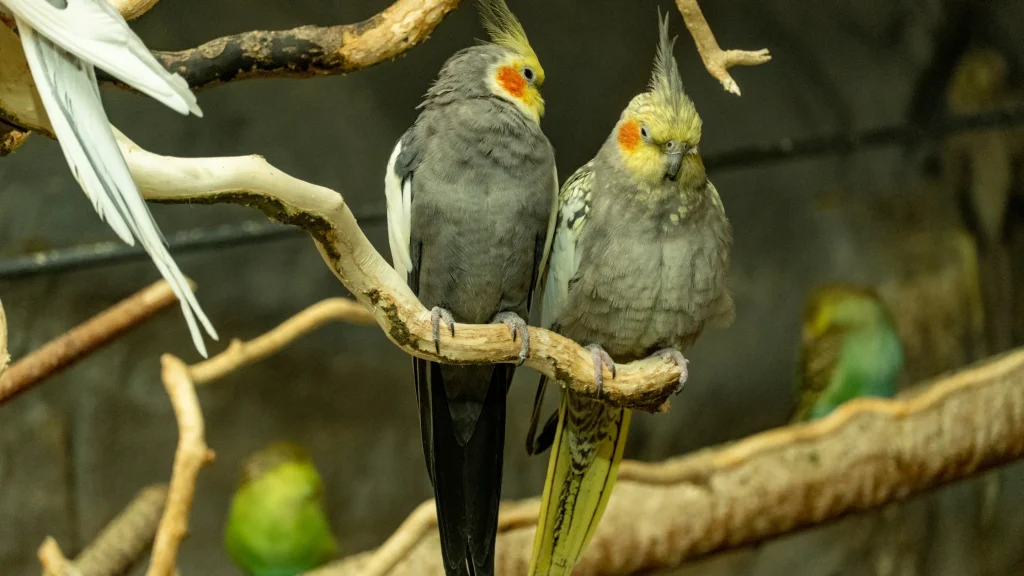
What triggers stress in cockatiels?
These birds have highly sensitive hearing, allowing them to detect predators in the wild, making them vulnerable to sudden loud noises and intense background chatter.
Sudden movements near the enclosure trigger the animal's immediate flight instinct. People often gesticulate excessively, which inevitably frightens the animal.
Another critical factor involves the direct invasion of their safe territory. Birds consider the cage an inviolable sanctuary against daily external threats.
Mix a cockatiel and frequent visits Without prior planning, it increases blood cortisol levels, harming the immune system in the long term.
The impact of strong odors on the respiratory system.
Few people know that strong perfumes and cleaning products affect the sensitive airways of birds. Visitors often use intense and harmful fragrances.
Politely ask guests to avoid excessive use of lotions before entering. Cigarette smoke should be strictly prohibited in enclosed spaces.
Aerosol particles penetrate deep into the bird's air sacs, causing severe irritation or silent chemical pneumonia. Keep the environment perfectly ventilated throughout the event.
What are the main physical signs of discomfort?
Observing body language helps to quickly identify peaks of tension. Full ruffling of the feathers at the nape of the neck indicates maximum alertness.
Gasping for breath with a half-open beak indicates mental exhaustion or extreme fear. Immediately remove guests if you observe this specific physical reaction.
High-pitched and repetitive vocalizations replace the bird's normal melodious song. The bird emits these sharp sounds in an attempt to alert the flock to imminent danger.
Pacing compulsively back and forth on the perch reinforces the urgent need to escape that noisy and quite hectic environment.
To better understand biological needs, you can consult the Animal welfare guidelines from the Federal Council of Veterinary Medicine, which offer excellent technical specifications.
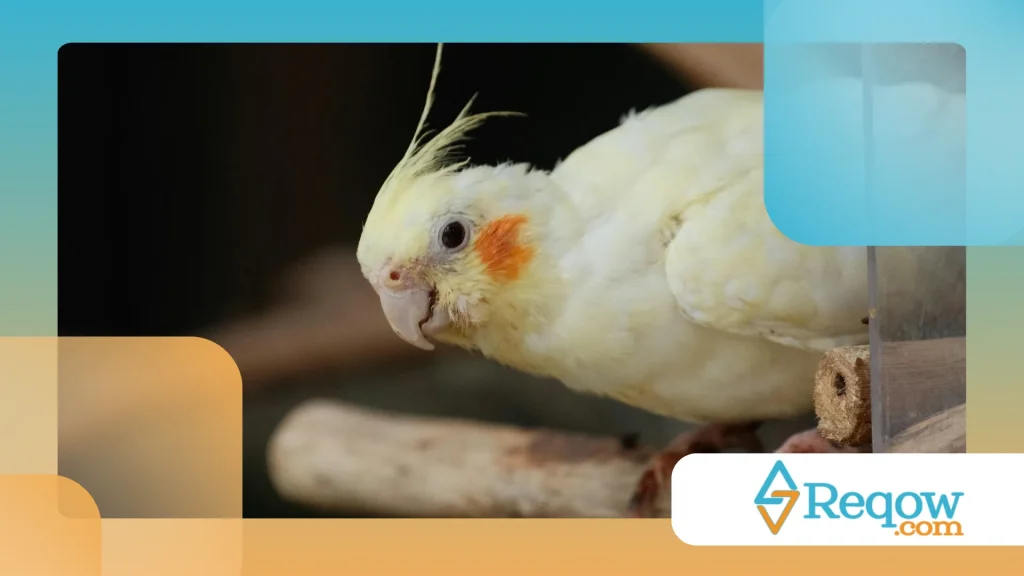
How to prepare the environment to receive guests.
The strategic placement of the aviary completely changes the bird's experience. Choose a quiet room, preferably away from the main entrance.
A solid wall behind the cage provides visual protection against unexpected movements. This blocks the perception of threats coming from behind the animal.
Partially covering one side of the structure with dark fabric creates an improvised shelter. The bird retreats to this shaded area seeking immediate safety.
Keep chewable toys readily available indoors to redirect nervous energy. Shredding softwood or cardboard helps alleviate the frustration of this unusual time.
Excessively bright lights worsen the bird's sensory agitation. Reduce the intensity of the lighting in the chosen room to calm its mood naturally.
++ Rabbits running in circles: the meaning of this behavior
Harmonize cockatiel and frequent visits This requires simple adjustments to daily management. See the table below for the best spatial configurations for the nursery.
| Spatial Factor | Inadequate location | Ideal Location (During Visits) |
| Convenient | Living room or dining room | Guest room or office |
| Noise | Near the television or speakers | Away from direct sound sources |
| Transit | Corridors with constant passage | Isolated and well-protected corners |
| Lighting | Strong, direct light on the ceiling. | Diffused light or ambient light in dim light |
The importance of establishing clear physical boundaries: Cockatiels and frequent visits.
Never force interactions between strangers and your pet. Respect the time needed for visual and auditory recognition of visitors.
Removing the bird from its aviary during parties drastically increases the risk of accidents. Open doors and windows encourage hasty and dangerous escapes.
Human food items circulating in the house represent a hidden toxic hazard. Strictly restrict the bird's access to savory and sweet treats served to guests.
Read more: Newly arrived cockatiel: common mistakes in the first few days
Young children require constant supervision when approaching the fence. Children's fascination often results in sudden screams or injured fingers from the spout.
Frightened animals tend to bite as a last resort in their instinctive defense. Protecting guests' fingers prevents painful accidents and unnecessary stress for everyone.
Guiding visitors: label near the cage.
Open communication prevents unwanted situations in your home. Talk to your friends before they even arrive, explaining the basic rules of cohabitation.
Instruct everyone to maintain a minimum distance of one meter from the metal structure. This respects the natural comfort zone required by the bird.
Ask them to lower their voices when passing through the isolated room. Speaking softly reassures the animal, demonstrating an absence of hidden predatory intentions.
++ Cat staring at windows for hours: fascinating curiosities
Properly managing a routine cockatiel and frequent visits It strengthens the relationship of mutual trust between the owner and their bird.
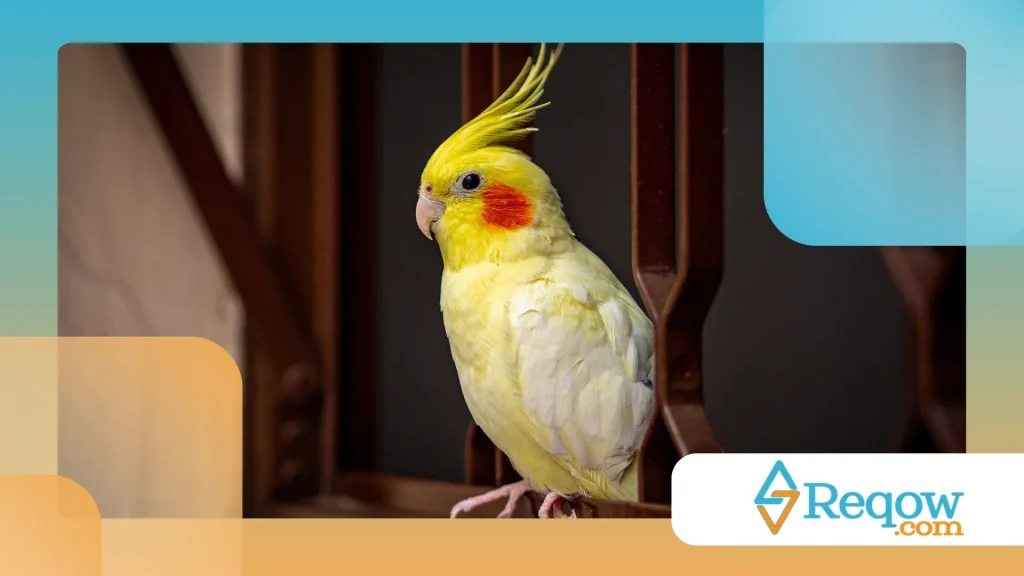
Conclusion
Maintaining your parrot's mental health requires empathy and ongoing strategic planning. Changes in the home environment will always cause some degree of natural apprehension.
Applying these precautions ensures enjoyable social interactions without sacrificing your pet's tranquility. You take on the role of an active guardian of animal well-being.
Manage the cockatiel and frequent visits It requires ongoing patience. Small adjustments to your routine protect a fragile animal that depends entirely on your daily decisions.
Dealing with cockatiel and frequent visits It transforms into a manageable and peaceful process. Prioritize mutual respect and enjoy your full home.
Frequently Asked Questions
How can you tell if a cockatiel is traumatized?
Profound apathy, severe loss of appetite, and feather plucking indicate severe chronic trauma. These symptoms require professional intervention from a qualified veterinarian.
Can I cover the cage completely during the party?
Never completely cover the enclosure during the day. This disrupts the circadian rhythm, generates acute mental confusion, and significantly increases internal panic.
Does loud music damage the hearing of cockatiels?
Very high sound frequencies cause irreversible damage to the extremely fragile eardrums of these birds. Avoid placing sound amplifiers or loudspeakers near the enclosed space.
What's the best way to introduce a visit to the bird?
Keep the visitor at a distance, sitting comfortably and offering a healthy treat through the grate. Allow the bird to take the initiative in gradually approaching.
Where can I find official materials about home care?
For additional verified information, please visit the IBAMA's Manual for the Care and Handling of Psittacines, which has up-to-date guidelines and reliable technical guidance.
++ Learn how to properly care for your pet cockatiel.
++ Cockatiels require routine, proper handling, and veterinary care.