
Why do fish always open their mouths? Understand the signal.
Many beginner aquarists and marine biology enthusiasts wonder... Why do fish always open their mouths? while swimming peacefully through the aquarium or inhabiting natural lakes and rivers.
Advertisements
This continuous and rhythmic behavior seems curious, but it represents a vital function for daily survival.
Understanding this mechanical movement helps to rigorously monitor the health of aquatic animals.
In this technical and objective article, you will discover the exact details about aquatic respiration.
See the practical summary with the main structural topics that we will address in detail below:
Advertisements
- Biological mechanisms of natural gill respiration.
- Signs of stress and low vital oxygen levels.
- Severe thermal impact on water quality.
- Proven practical solutions for responsible aquarists.
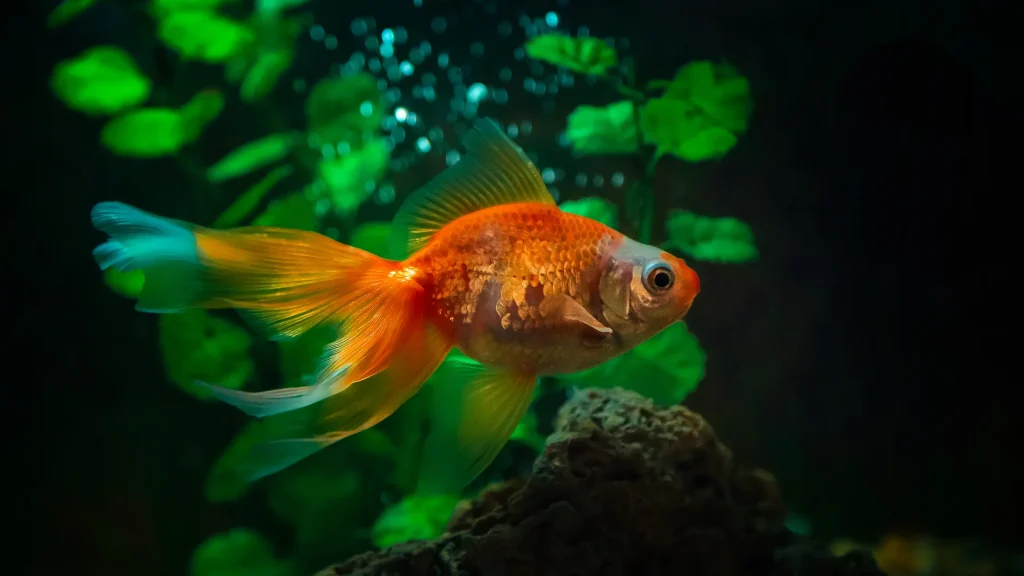
The fascinating mechanism of aquatic respiration.
Unlike terrestrial mammals, aquatic animals need to extract vital molecules directly from the liquid environment.
This task requires constant and highly specialized physical effort from the lateral gills.
To understand the biology involved, observe the basic functional anatomy carefully.
Water enters through the oral cavity and passes rapidly through the gill filaments, which are filled with tiny blood capillaries.
The marine animal's bloodstream directly absorbs the valuable oxygen dissolved in the fresh water.
Simultaneously, the respiratory system actively expels toxic carbon dioxide into the external liquid environment.
The efficiency of gills in vital energy uptake.
The gills have an incredibly large contact area compared to the animal's body size.
This improved, evolutionary anatomical design maximizes constant gas exchange during continuous water flow.
When you notice a slightly accelerated mouth movement, the animal is actively seeking more oxygen.
This natural rhythmic effort sustains basal metabolism and provides extra vital energy for swimming.
Highly active fish or large species require significantly higher oxygenation rates than calm benthic species.
Thus, the rate of jaw movement varies considerably among different families cataloged by science.
Warning signs: when frequency indicates problems
Knowing how to identify the exact difference between normal breathing and respiratory distress saves lives.
Heavy panting clearly indicates that something is wrong with the biological microenvironment of your aquarium.
One of the first acute symptoms of hypoxia occurs when animals frantically rise to the surface.
They try to capture the upper surface layer of water, where there is naturally greater free oxygenation.
If you question Why do fish always open their mouths? Desperately investigate immediately.
++ Cat staring at windows for hours: fascinating curiosities
This agonizing behavior often signals extremely low levels of vital dissolved oxygen in the artificial aquatic environment.
The direct impact of temperature and organic matter.
Ambient temperature drastically affects the physical and chemical capacity of water to retain vital gases dissolved in it.
Warmer liquids retain considerably less oxygen than cold or strictly temperate stabilized aquatic environments.
During summer heat waves, artificial lakes and closed tanks suffer critical drops in oxygenation.
This requires quick interventions using robust air compressors or powerful internal circulation pumps.
For advanced metrics on water management, please refer to... FAO Water Quality Manual.
There we find the rigorous international guidelines for maintaining highly secure and productive enclosed habitats annually.
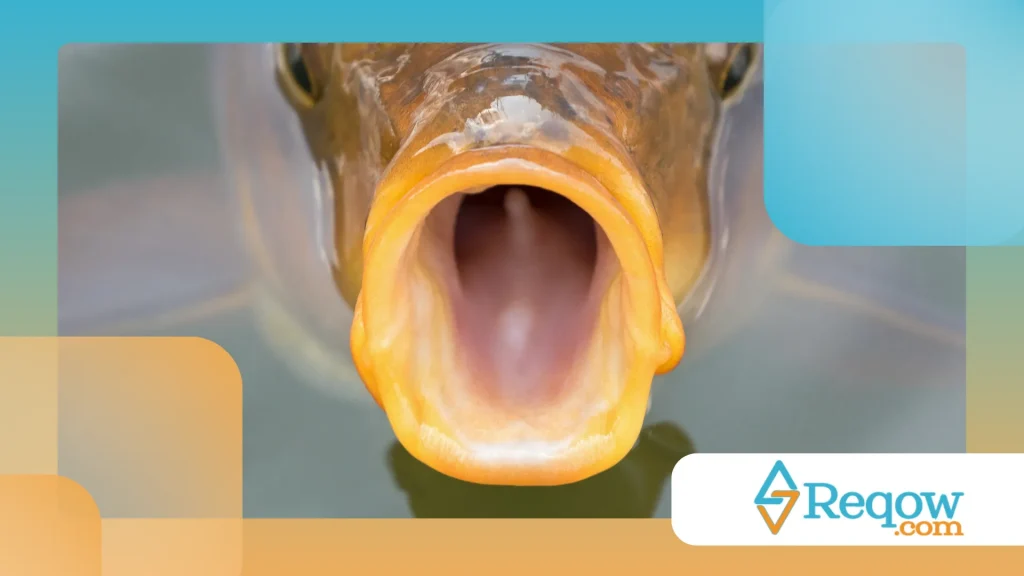
Gill diseases and dangerous infestations in aquariums
Severe bacterial infections or infestations by microscopic parasites quickly compromise the physical integrity of the sensitive gills.
The reddish respiratory filaments become inflamed, swell dangerously, and produce an intense excess of thick, protective mucus.
This excessive and thick mucus creates a strong physical barrier that blocks the efficient exchange of gases.
Consequently, the animal increases its mechanical effort in a desperate attempt to compensate for the resulting acute respiratory failure.
To understand Why do fish always open their mouths? This has difficulty and requires careful visual observation daily.
Extremely pale, excessively red, or clearly corroded gills indicate advanced clinical infections that require veterinary intervention.
Read more: Cockatiel tilting its head: interesting facts about this habit.
Monitoring ideal and recommended levels of water parameters ensures the longevity of the confined biological ecosystem.
Below is a reference table with values indicated strictly for most tropical species.
| Water Parameter | Recommended Ideal Level | Risk of Inadequate Exposure |
| Temperature | 24°C to 28°C | Drastic reduction in oxygenation (if high). |
| Dissolved Oxygen | Above 5 mg/L | Severe asphyxia, lethargy, and rapid death. |
| Total Ammonia | 0 ppm (Absolute zero) | Gill burns and fatal toxicity. |
| General pH | 6.5 to 7.5 (Average) | Acute physiological stress and immune system failure. |
Safe strategies to optimize water circulation
There are practical and efficient technological methods to solve oxygen deficiencies in closed farming systems.
The strategic installation of porous stones connected to compressors creates fine and incredibly consistent bubbles.
These tiny bubbles rise rapidly to the top and break through the surface film of the contained water.
This intense mechanical agitation makes it incredibly easy for the liquid to absorb valuable atmospheric air naturally.
Modular cascade-type filters or modern internal circulation pumps also move the total volume adequately.
They completely avoid silent dead zones where water stagnates and rapidly loses vital properties.
++ Cockatiel molting: care during natural molting
The controlled presence of healthy natural aquatic plants contributes positively during the long, illuminated daylight period.
Through the classic biological process of photosynthesis, they consume unwanted carbon dioxide and release pure oxygen.
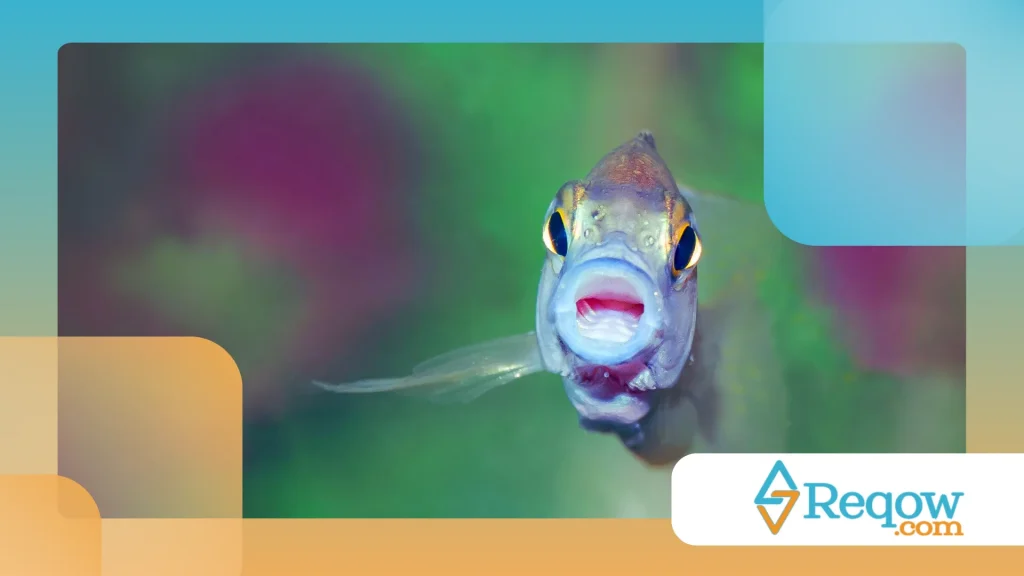
Conclusion
To perceive Why do fish always open their mouths? It ceases to be a great and misunderstood biological mystery.
This is the most perfect physiological mechanism created by natural evolution to ensure precise underwater breathing.
Carefully observing changes in your animals' breathing patterns offers an excellent preventative diagnostic tool.
Quick corrective actions in the aquatic environment save delicate species and maintain the biological stability of the tank.
Frequently Asked Questions
We've compiled the most common questions from beginner aquarists and those curious about the respiration and behavior of marine animals.
Objective answers based on biological data directly contribute to the daily maintenance of your hobby.
1. Is it normal for the animal to stay on the surface with its mouth open?
No, this atypical behavior indicates a severe lack of free oxygen or lethal ammonia poisoning in the system.
You should perform a partial water change immediately and check that all biological filtration systems are functioning.
2. What does it mean? Why do fish always open their mouths? At a very accelerated pace?
An accelerated breathing rate indicates intense environmental stress, sudden high temperatures, or dangerous infections in the sensitive gills.
Quickly check the thermostat and test the water parameters to find the likely structural fault.
3. Do the live plants in the aquarium oxygenate all the water sufficiently on their own?
Plants are a great help during the bright day, but they consume valuable oxygen during the long, dark night.
THE Ministry of Agriculture and Livestock It is always recommended to keep mechanical ventilation systems running safely and continuously.
4. Does overfeeding directly affect the breathing of aquarium inhabitants?
Yes, uneaten commercial feed quickly rots at the bottom, causing a proliferation of highly opportunistic harmful bacteria.
This serious organic process consumes a lot of oxygen and compromises the crystal-clear quality of the tank water.
++ My fish open their mouths at the surface of the tank: why?