
Rabbits that avoid certain spaces: possible causes
A sudden refusal to explore certain areas of the house is an intriguing behavior that worries many pet owners.
Advertisements
When we come across a rabbit that avoids certain spacesWe need to understand that this attitude is rarely a mere whim.
Preservation instincts, environmental fears, lighting problems, floor texture, and even hidden physical pains directly influence this choice. Understanding these causes is the first step in adapting your home and restoring your pet's confidence.
In this complete guide, you will discover:
- The main behavioral and physical causes of spatial blockage.
- How the type of flooring affects the mobility of lagomorphs.
- Warning signs of pain or territorial stress.
- Practical solutions for making the most of every room in the house.
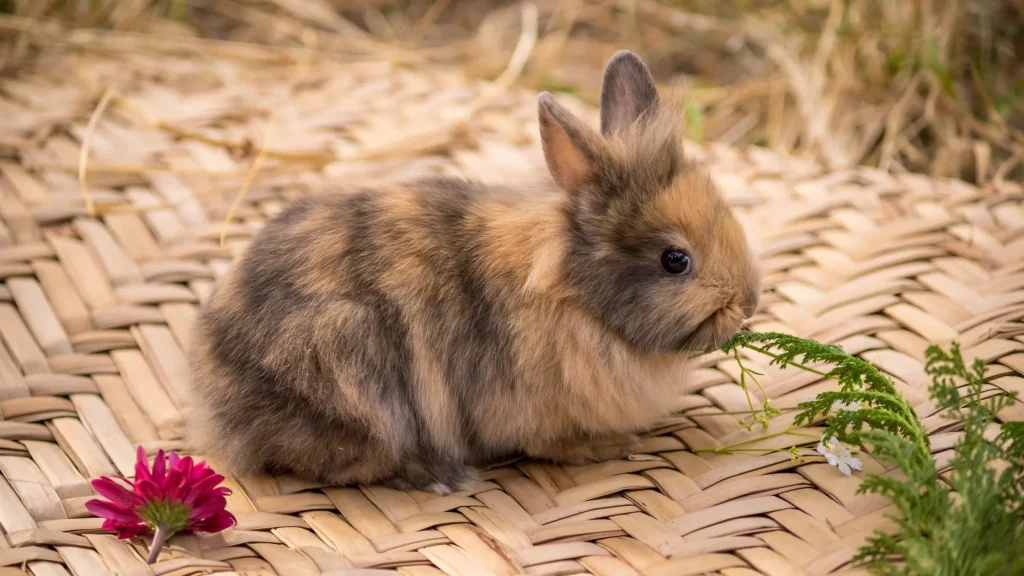
Why does the rabbit avoid certain rooms in the house?
The refusal to enter a specific environment is often linked to the natural instinct for species preservation, which perceives danger in unstable surfaces or those without clear escape routes.
Advertisements
When we notice a rabbit that avoids certain spacesWe need to assess immediate environmental factors.
Changes in furniture, new smells, or drafts can transform a safe place into a perceived threat.
Furthermore, territorial stress plays a central role. If another animal frequents the enclosure, the lagomorph may prefer to retreat rather than dispute the area, remaining isolated in zones where it feels protected.
The impact of flooring and lighting on mobility.
Rabbits don't have pads on their paws like dogs and cats. Therefore, slippery floors, such as porcelain and waxed parquet, cause direct physical insecurity during daily movement around the house.
Lagomorphs' vision is also adapted to dimly lit environments.
Extremely bright environments or those with flashing lights cause significant visual discomfort, while very dark places prevent the visual identification of threats.
The combination of slippery flooring and inadequate lighting creates an invisible barrier.
The animal prefers to remain still on a rug rather than risk a fall or serious joint injury by trying to cross the room.
Difference between physical cause and behavioral cause
Identifying the source of the blockage requires careful observation of daily behavior.
++ Cat using a carrier: adaptation before travel
Health problems manifest themselves differently from purely environmental or emotional changes in the small mammal.
| Category | Main Symptoms | Most Common Origin | Recommended Action |
| Physical | Eye chair, lack of appetite, lameness | Pododermatitis, arthritis or trauma | Immediate veterinary consultation |
| Behavioral | Spot aggression, marking territory. | Mental mapping of fear or stress | Gradual adaptation of the environment |
| Environmental | Hesitation at the edge of the carpet, easy frights. | Slippery floors or loud noises | Use of walkways and protection |
Studies published in Journal of Exotic Pet MedicineStudies confirm that sudden changes in mobility often indicate chronic joint pain that was not previously diagnosed by the owner.
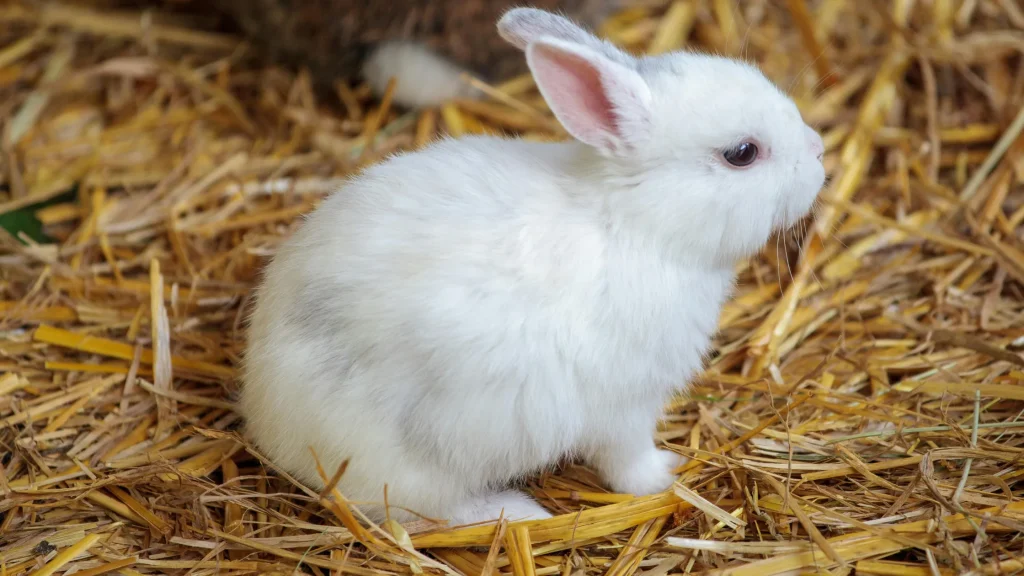
How to help rabbit that avoids certain spaces to lose the fear
Readaptation should be gradual and respect the animal's pace. Forcing a pet into a feared place creates deep trauma and increases cortisol levels in the body.
1. Install non-slip mats.
Create fabric bridges or rubber mats connecting the different areas. This restores the necessary traction so that the animal can walk safely and confidently without slipping.
Read more: Rabbits running in circles: the meaning of this behavior
2. Use positive reinforcement.
Leave healthy snacks, such as dandelion leaves or apple slices, in the transition between rooms. Associate the uncomfortable space with an extremely tasty and pleasant experience.
3. Eliminate strong noises and odors.
Cleaning products with strong scents and noisy appliances repel lagomorphs. Keep environments clean with neutral solutions to preserve your companion's sensitive sense of smell.
Veterinary diagnosis: when to seek specialized help?
If the change in behavior is sudden, accompanied by apathy or changes in bowel movements, the cause may be physical pain. Pododermatitis, for example, makes the act of walking extremely painful.
An evaluation by a veterinarian specializing in exotic animals ensures the exclusion of subtle fractures, dental problems affecting balance, or degenerative diseases in the lagomorph's spine.
Updated guidelines of House Rabbit SocietyThey emphasize that changes in the use of living space are the first clinical signs of chronic stress or physical discomfort in domestic rabbits.
The impact of trauma and associative memories
In addition to physical and environmental factors, the memory of a traumatic event plays a decisive role in the animal's behavior.
One rabbit that avoids certain spaces You might associate that place with a sudden loud noise, the presence of a predator, or a frightening fall in the past.
++ Betta fish building nests: interesting facts about the species
Lagomorphs possess an extremely refined associative memory for danger.
In these cases, breaking the negative association requires patience, a predictable routine, and the gradual introduction of positive stimuli into the environment.
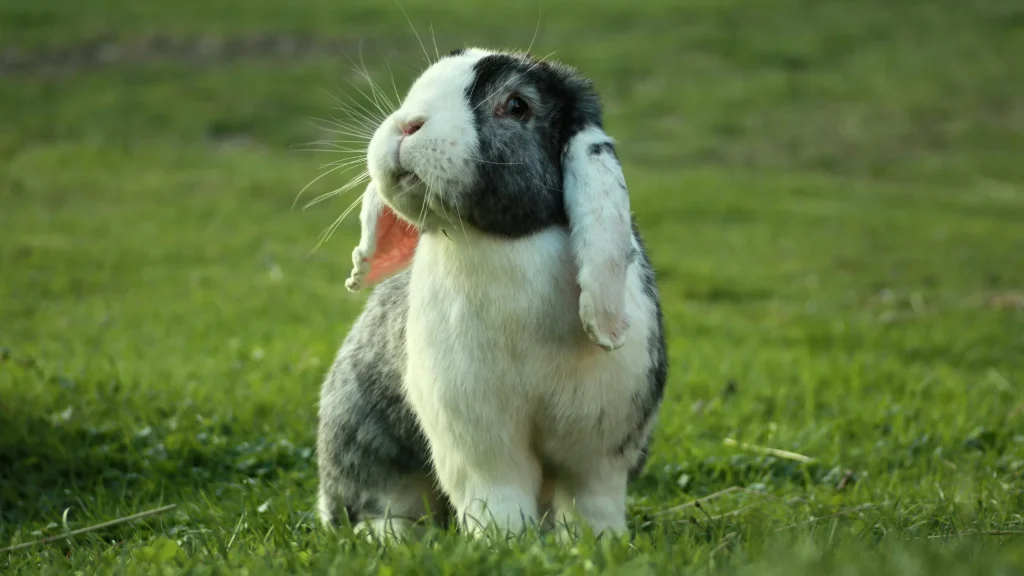
The fascinating influence of magnetic fields and air currents.
Few pet owners know this, but the extreme tactile sensitivity of lagomorphs' whiskers (vibrissae) and ears detects microcurrents of air imperceptible to us.
One rabbit that avoids certain spaces It may be reacting to air pressure created by gaps in doors or even to the low-frequency hum of household appliances.
This heightened sensory perception makes certain corners of the house seem genuinely uncomfortable or noisy to the animal's sensitive hearing system.
Ensuring a safe and integrated environment.
Providing an accessible space improves the animal's quality of life.
One rabbit that avoids certain spaces It adjusts its behavior as soon as it perceives stability in the ground and predictability in the environment.
Monitor your pet's daily reactions and make simple structural changes. With patience, strategically placed mats, and affection, your pet will once again explore every corner of the house with complete safety and joy.
Frequently Asked Questions
THE rabbit that avoids certain spaces Could he be blind?
Yes, vision loss causes rabbits to avoid unfamiliar places or places without known tactile references. A veterinary ophthalmological examination can quickly confirm this condition.
Should I take my rabbit into the room it avoids?
Never force the animal. Dragging or carrying the rabbit to the feared location increases stress and can cause serious injuries if it desperately tries to escape from your lap.
Do regular rugs solve the problem of slippery floors?
Yes, as long as they don't slip. Use rugs with a rubberized backing or firm fabrics to ensure the lagomorph has full grip when walking between rooms in the house.
++ Pet rabbit: 6 reasons to have one at home
++ Rabbits don't belong in cages; understand why free-range farming is the new animal welfare standard.