
Betta fish building nests: interesting facts about the species
Observe the Betta fish building nests On the surface of the aquarium, this is one of the most intriguing and fascinating behavioral displays in modern ornamental aquariums.
Advertisements
This instinctive habit reveals valuable data about the health, reproductive maturity, and well-being of your specimen in the closed aquatic ecosystem.
In this comprehensive and practical guide, you will understand the mechanics behind this behavior, debunk popular myths, and learn how to care for the environment.
- The biological mechanism of bubble creation
- Myths about betta health and happiness
- The influence of water quality and the environment.
- The male's role in protecting the eggs.
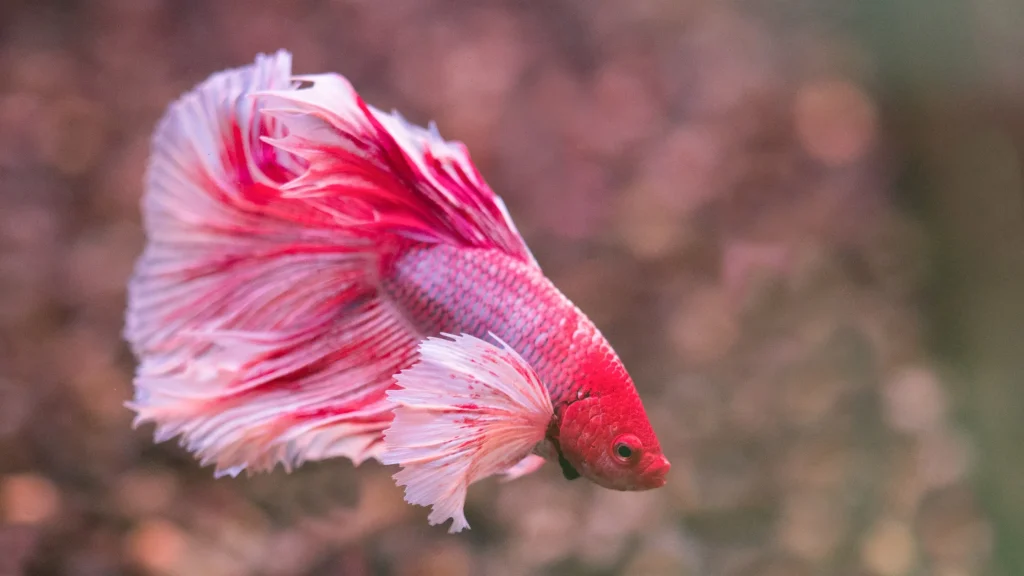
What is a betta fish's bubble nest?
The bubble nest consists of a floating structure created by the male using saliva, atmospheric air, and special buccal mucus to house fertilized eggs.
In nature, specifically in the rice paddies of Central Asia, this engineering ensures sufficient oxygen for the fry in shallow, warm waters with low circulation.
Advertisements
The species Betta splendens It uses an organ called the labyrinth to capture air on the surface and transform it into resistant spheres that do not burst easily.
How does nest building work step by step?
The male rises to the surface, swallows small air sacs, and coats them with a mucus secreted by glands located in the oral cavity.
It carefully expels the bubbles under floating leaves, dense vegetation, or in corners of the aquarium where the water current is practically nonexistent.
Continuous work can take hours or entire days, demonstrating the animal's incredible physical endurance during its natural life cycle.
Why do betta fish build nests even when they are alone?
Even without a female in the aquarium, the habit of Betta fish building nests It occurs in a purely instinctive and hormonal way.
Reaching sexual maturity prompts the male to prepare the territory, ensuring that the place is ready should a suitable partner appear.
++ Cat chasing feet: curiosities about cat behavior.
Therefore, seeing this structure in your aquarium means that the animal has the energy and physical conditions necessary to perform its native biological behaviors.
Is building a nest a mandatory sign of happiness?
Many aquarists believe that the nest guarantees a happy 100% fish, but experts from FishBaseThey warn against hasty interpretations.
Although a healthy environment encourages nest building, males kept in unsuitable containers may also build nests due to unavoidable hormonal spikes.
A betta's true health should be assessed by the vibrancy of its colors, regular appetite, intact fins, and active behavior around the aquarium.
| Aquarium Factor | Ideal Nesting Conditions | Impact on Construction |
| Temperature | 26°C to 28°C constant | Low temperatures inhibit the instinct. |
| Water Flow | Filter with smooth flow | Strong currents destroy the bubbles. |
| Vegetation | Floating plants (Lentils, Salvinia) | It provides physical support to the bubbles. |
| Parameters | pH between 6.8 and 7.2 | Stability ensures healthy oral mucus. |
How does water quality affect bubbles?
The chemistry of the water directly influences the ability of the fish's mucous membrane to maintain the surface tension of the air bubbles that are formed.
Water with accumulated ammonia or nitrite stresses the animal, reducing the production of oral mucus necessary for nest building.
Read more: Surprising facts about aging in pets.
Maintaining proper biological filtration and performing regular partial water changes preserves the balance of the ecosystem and encourages natural behavior.
What should you do if the nest is dismantled during cleaning?
Disassembling the structure during weekly aquarium maintenance is unavoidable and does not cause permanent trauma or serious stress to the fish.
Upon realizing that the environment remains clean and safe, the male will rebuild the nest within a few hours without any harm to his health.
Avoid removing the nest only if there are fertilized eggs resulting from a planned breeding process between the pair.
What is the difference between the behavior of males and females?
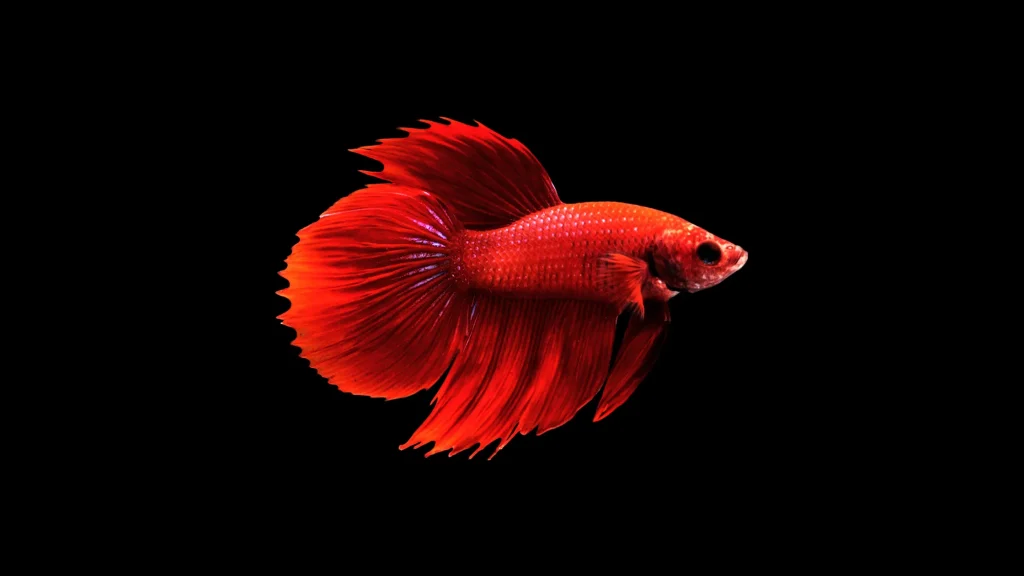
Unlike the males, the females of this species rarely produce air bubbles and do not take on the role of building or defending nests.
Males are territorial, have longer fins, and take sole responsibility for caring for the bubbles and future offspring.
According to guidelines of Federal Council of Veterinary Medicine (CFMV)Proper management respects the unique territorial behaviors of each sex.
Interesting facts about betta fish building nests.
The male's dedication to Betta fish building nests It involves surprising biological details that show the evolutionary complexity of the species.
- Tireless work: A male can blow hundreds of bubbles in a single day to reinforce the floating structure.
- Paternal care: If an egg falls from the nest, the father retrieves it with his mouth and places it back on top.
- Leaves as a roof: They prefer to build under plants like the Anubia or floating plants to protect the bubbles from strong light.
Natural Engineering: The Meaning of Bubble Nests
The behavior of building bubble nests highlights the fascinating evolutionary adaptation of betta fish to protect their future offspring.
This natural engineering requires energy and reflects the maturity of the male, who uses buccal mucus and atmospheric air to create a resistant shelter on the surface.
++ Emergency kit for cats: essential items to have at home
To provide ideal conditions for this habit, the aquarist must keep the water temperature warm and control the current.
This simple care preserves the animal's biological routine and balance.
Frequently Asked Questions
My betta has never made a nest. Is he sick?
Not necessarily. Factors such as advanced age, strong filter flow, or simply the individual characteristics of the fish may prevent it from building.
Can I turn off the filter so as not to destroy the nest?
Never turn off the filter. Instead, adjust the flow rate or use a baffle to soften the water movement on the aquarium surface.
How long does the bubble nest last?
Without maintenance from the fish, the nest evaporates and falls apart in two or three days. The male usually reinforces the structure constantly.
Conclusion
Observing bubble nests reaffirms the fascination with aquariums by revealing rich and complex instinctive behaviors.
Although structure is not an isolated indicator of well-being, its presence demonstrates physical vigor and maturity in the domestic ecosystem.
Maintaining clean water, a stable temperature, and proper filtration ensures the vital health of the fish.
Therefore, respecting the biological needs of the betta fish ensures a safe, stimulating, and conducive environment for the full development of the species.