
Rabbit loose in the house: be careful with electrical outlets and objects.
Have a rabbit loose in the house It requires immediate adaptations to the environment to ensure the pet's safety and protect wires, furniture, and household objects.
Advertisements
Rabbits have a natural habit of gnawing on everything within their reach. This practical guide teaches you how to protect your home, prevent serious accidents, and create a safe daily routine for living with them.
Contents of this guide:
- Risks of exposed electrical outlets and wires.
- Protection of furniture, plants and objects
- Table of recommended protective materials
- Environmental enrichment strategies
- Frequently asked questions about leporin safety
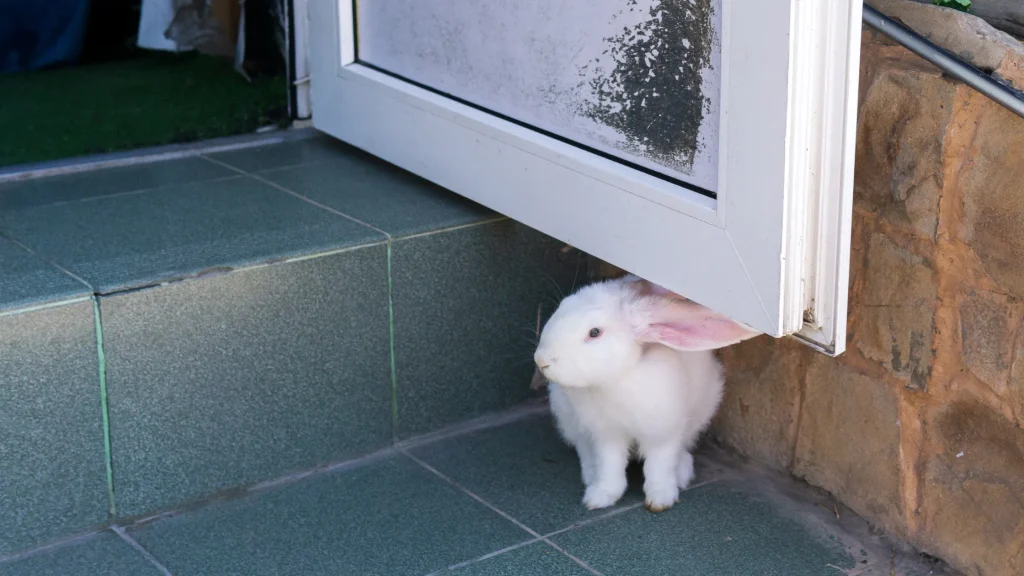
Why protect the environment for a rabbit to roam freely around the house?
Rabbits are lagomorph animals that possess continuously growing incisor teeth. In the wild, they gnaw on roots and branches to wear down their teeth and explore their surrounding territory.
Inside a home, this instinctive behavior is directed towards electrical cables, baseboards, and table legs.
Advertisements
Live power lines pose a deadly risk of electrocution or severe burns to the oral mucosa.
Leave a rabbit loose in the house Without proper isolation, it also exposes the animal to the risk of intestinal obstruction from ingesting plastics, toxic paints, fabrics, and copper wiring.
How to protect electrical outlets and wires
Protecting the electrical wiring should be the absolute priority before allowing pets access to rooms. Fallen wires on the floor look like fine roots to an animal.
Raise all electrical cables to a minimum height of one meter from the ground. Use rigid polyethylene cable organizers or plastic cable channels secured with double-sided tape to the baseboards.
For unused low-level outlets, install secure-fit plastic outlet covers.
Equipment that is continuously switched on requires outlet protectors of the box type with a built-in side outlet.
Consult guidelines from Brazilian Association of Wildlife VeterinariansThis helps to understand the anatomical risks that domestic accidents cause in small mammals and exotic species kept in urban environments.
Caring for furniture, plants, and decorative objects.
Wooden furniture and upholstered sofas attract the lagomorph's attention. Apply rubber corner protectors to table legs and use thick fabric covers on upholstered furniture.
Ornamental plants such as dieffenbachia, calla lilies, and azaleas are highly toxic to this species.
Keep any flowerpots on high countertops or shelves that are completely inaccessible to your pet.
++ Emergency kit for cats: essential items to have at home
Small items such as coins, rubber bands, costume jewelry, and cleaning products should be stored in locked drawers.
Accidental consumption of synthetic materials can lead to severe cases of gastrointestinal stasis.

Comparison of materials for home armoring
Choosing the right materials ensures effective protection and durability against animal bites. The table below presents the main home safety features.
Read more: Hamster with excess stored food: essential care
| Protective Equipment | Indications for Use | Protection Level | Durability |
| Rigid Plastic Channel | TV and computer cables | High | Excellent |
| Thick Spiral Organizer | Mobile cables and extensions | Average | Good |
| PVC Corner Protector | Furniture legs and corners | Average | Moderate |
| Modular Metal Grid | Isolation of entire areas | Very High | Excellent |
Behavioral redirection and enrichment
Prohibiting chewing behavior doesn't work, as it's a physiological need for the animal. The ideal solution is to redirect their focus to safe objects specifically designed for dental wear.
Offer plenty of high-quality hay daily, along with untreated, non-toxic wooden toys, cardboard tunnels, and woven natural straw chew toys scattered throughout the designated rooms.
++ Rabbits that avoid certain spaces: possible causes
If you notice your pet chewing on a prohibited area, gently stop them and immediately offer them a permitted toy.
Consistent positive reinforcement consolidates learning without stressing the lagomorph.
Strategies for protecting carpets and baseboards
Wooden baseboards and carpet edges are often frequent targets of sharp teeth.
To protect the baseboards, apply clear plastic corner moldings or thick adhesive protective tape.
When it comes to rugs, opt for natural fiber models without knots, or temporarily remove them from rooms where your pet roams.
Offering sugarcane mats or non-toxic straw mats helps distract the animal, redirecting chewing to completely safe surfaces.
How to define safe access zones
Supervising the animal for 100% of the time is impractical, making space delimitation an indispensable measure.
Use modular metal enclosures with sturdy latches to restrict access to critical areas such as offices and kitchens.
Make it a habit to let your pet out in rooms that have been previously inspected and secured.
The gradual transition to new spaces allows for the evaluation of the animal's behavior, identifying blind spots in safety before allowing the lagomorph complete freedom of movement.

The importance of hay in preventing damage.
An unlimited supply of fresh hay is the main tool to prevent your pet from destroying the house.
Hay provides the fiber necessary for intestinal transit and requires constant chewing, promoting the natural wear of the incisors and molars.
Keep hay racks positioned near the litter box and in strategic locations.
An animal fed an adequate amount of fiber feels less of an instinctive need to drill through walls, gnaw on furniture, or chew on fabrics.
Conclusion
Keep a rabbit loose in the house It brings immense joy and improves the pet's well-being, provided the space is fully adapted to prevent electrical accidents and ingestion of toxic waste.
Inspect the installed guards frequently, replace worn parts, and always ensure healthy chewing options.
Preventive care ensures a harmonious, long-lasting relationship free from veterinary emergencies.
Frequently Asked Questions
How can you tell if a rabbit has been electrocuted?
Signs of shock include immediate apathy, burns or whitish sores in the mouth, excessive salivation, difficulty breathing, and loss of appetite.
Seek emergency veterinary care immediately if you notice these symptoms.
Can I use bitter sprays to prevent him from chewing on the furniture?
Commercial bitter sprays specifically for pets work in some cases, but many rabbits get used to the taste.
Physical barriers using grates, PVC protection, and rigid channels remain the safest method.
What is the ideal height for a fence to limit a rabbit's access?
The fence should be at least 80 centimeters high. Rabbits are excellent jumpers and can easily overcome lower barriers when motivated by curiosity or food on the other side.
For detailed guidelines on the health, vaccination, and management of rabbits, please consult the manuals of [reference to relevant authority/organization]. Brazilian Society of Primatology and Wild Animals, to maintain the well-being and safety of your pet.
++ How to raise a rabbit in an apartment.
++ Rabbit roaming freely at home: what to prepare before opening the cage.